
Four Voices Finding Their Shape
Pretty spontaneous music that wanders and rambles, reaching surprising conclusions with expert use of space.
Numbers 1 & 2 captures four musicians in a room together, still discovering what they could become. Lester Bowie, Roscoe Mitchell, Joseph Jarman, and Malachi Favors were not yet the Art Ensemble of Chicago—that identity was still forming—but the seeds of it are audible here. The album has a deliberate looseness, pieces that stretch and double back, conversations between horns that feel genuinely unplanned even when they're not. Bowie's brass writing sits alongside Mitchell and Jarman's reeds with a kind of cautious curiosity, each player leaving room for the others to move.
What's striking is how much space matters. These aren't dense arrangements. Favors anchors the bottom without pushing, and the horns seem to test ideas, step back, listen. The music often wanders—AllMusic reviewer Scott Yanow heard it clearly—but that wandering is the point. In 1967, this approach was uncommon in jazz, especially among younger players. Most ensembles at that moment were either locked into hard bop grooves or chasing the avant-garde's more chaotic impulses. This sits elsewhere: exploratory but not frantic, composed but genuinely open.
It's a necessary record if you want to understand how the Art Ensemble arrived at what they became. Not the masterpiece some of their later work is, but essential evidence of four musicians learning to trust silence as much as sound. The Nessa label release itself was modest, not a major statement at the time, but it documents something real: the exact moment before a group found their voice.
Who's playing
Where next?
More by Lester Bowie
All 15 albums →


The musicians on this record
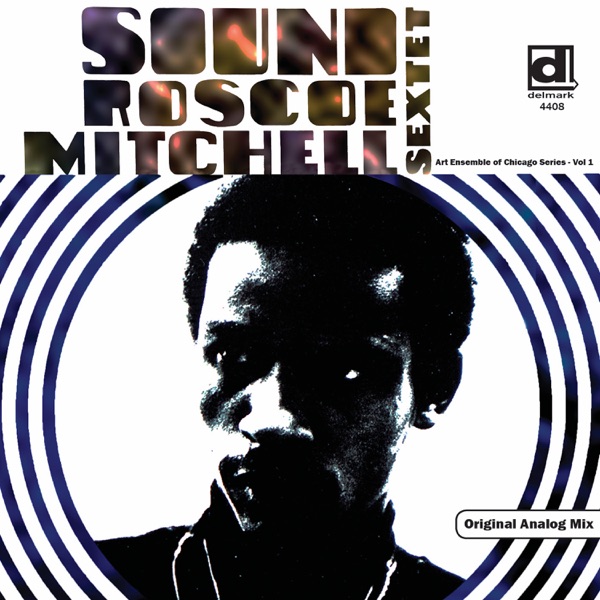
Before There Was Sound 1965
Roscoe Mitchell
plays woodwind here
plays woodwind here

Song For 1966
Joseph Jarman
plays wind instruments here
plays wind instruments here



