1969 · Album
Eda Wobu
Recorded 1969, Paris · JMY (Italian label) · First Released: 1991
Delayed Transmissions from the Chicago Underground
Eda Wobu captures the Art Ensemble in Paris, raw and unpolished, decades before anyone heard it.
Eda Wobu is a ghost recording, made in Paris in 1969 but not released until 1991 on the Italian JMY label. By then, the Art Ensemble had already solidified its reputation as the most inventive collective in the Chicago avant-garde. What makes this particular session matter is less the individual players — though Lester Bowie, Joseph Jarman, Roscoe Mitchell, and Malachi Favors Maghostut are all capable musicians — and more the unguarded quality of the ensemble itself. There is no polish here, no sense of a unit playing to impress. The sound is closer to a rehearsal or a jam in someone's living room: rough, exploratory, willing to fail.
The album's delayed release is both blessing and curse. Blessing because we hear the group at a moment when they were still figuring out who they were, before the strictures of the ECM aesthetic took hold. Curse because by 1991, listeners had already encountered the Art Ensemble's mature vision on records like People in Sorrow (1969) and Art Ensemble of Chicago (1967). Eda Wobu does not improve on those achievements. Instead it offers a document of process — players testing ideas, responding to each other with the kind of attention that only happens when no one is watching.
This is not an essential record. AllMusic's two-star rating reflects a real limitation: the sessions lack the compositional clarity and tonal sophistication that made the group legendary. But for listeners already invested in the Art Ensemble, or in the Chicago scene of that era, Eda Wobu has a specific value. It is the sound of four musicians who trusted each other enough to play without a net.
Who's playing
Where next?
More by Art Ensemble of Chicago
All 49 albums →

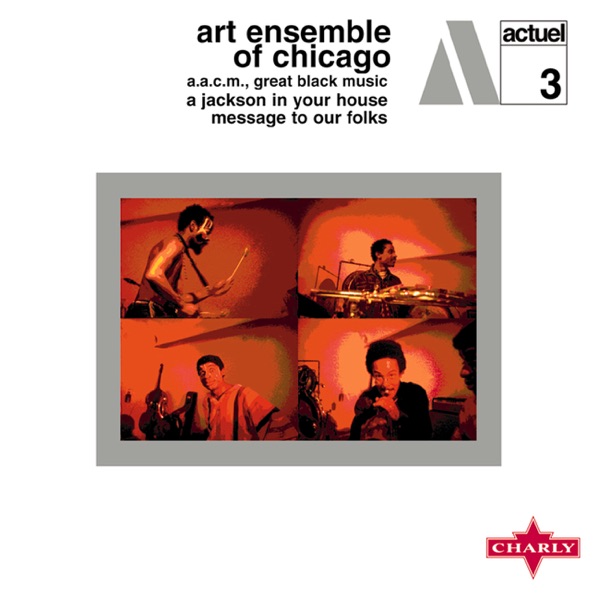

The musicians on this record
Old / Quartet 1975
Roscoe Mitchell
plays saxophone here
plays saxophone here

Numbers 1 & 2 1967
Lester Bowie
plays trumpet here
plays trumpet here

As If It Were the Seasons 1968
Joseph Jarman
plays saxophone here
plays saxophone here


