1976 · Album
Ancient to the Future: Dreaming of the Masters Series, Vol. 1
Recorded 1976 · ECM Records · Produced by Manfred Eicher
Voices Calling Across Time
The Art Ensemble reaches backward and forward simultaneously, finding ancestors in the present moment.
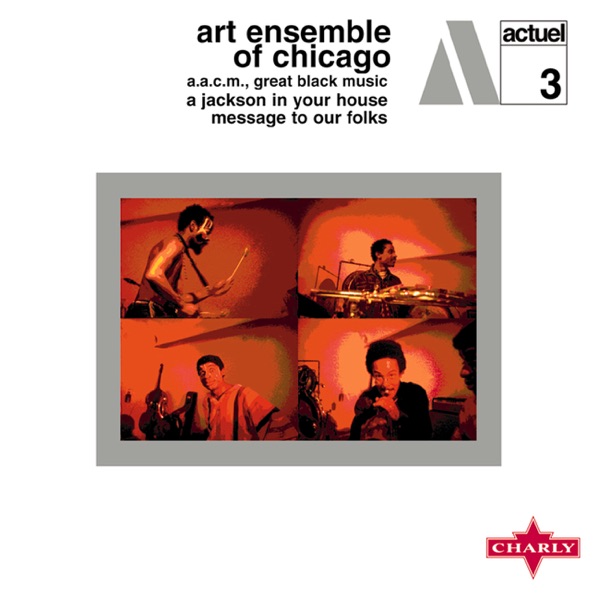
The Art Ensemble of Chicago made a career out of honoring what came before while refusing to be trapped by it, and this collection sits squarely in that tradition. These recordings find the ensemble engaged in something between homage and conversation—they're thinking about the masters, sure, but not by copying them. Instead, there's this restless energy to the music, a sense that every phrase is being tested, questioned, broken apart and reassembled. The horns don't play it safe. The rhythms stay loose enough to breathe. You can hear them wrestling with the material rather than simply performing it.
What makes this project distinct is how direct it feels. This isn't a museum recreation or a scholarly exercise. It's working musicians thinking out loud about the people who showed them what was possible. The material spans traditions—you'll hear echoes of New Orleans, of bebop language, of free improvisation too—but everything gets filtered through the ensemble's particular sensibility. The interplay between the voices matters more than any single melody. There's space in these arrangements, real silence, which makes the moments when they lock together feel earned rather than given.
This is essential listening if you want to understand how the ensemble thought about tradition and innovation as inseparable rather than opposed. If you're new to their work, you might find People in Sorrow (1969) a better entry point—it's more immediately gripping. But if you've spent time with their catalog and want to hear them explicitly grappling with their influences, this series rewards that attention. It's honest work, and it matters.