1978 · Album
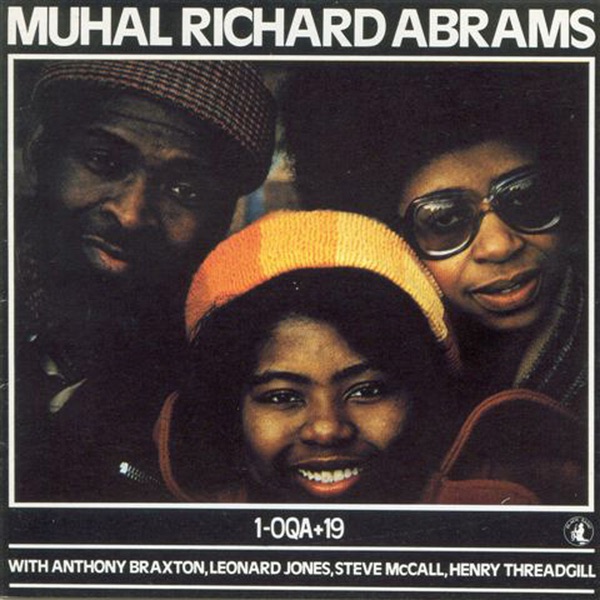
1-OQA+19
Recorded 1977 · Black Saint · Personnel: Muhal Richard Abrams (piano), Anthony Braxton (alto saxophone), Henry Threadgill (woodwinds), Steve McCall (drums), Leonard Jones (bass)
Five Players in Dense, Unpredictable Motion
Braxton's scurrying solos matched by Threadgill's bluesier lines, held together by Abrams' inventive leadership.
From the first moments of 1-OQA+19, you're in a room where five musicians are having a conversation that refuses to settle. Muhal Richard Abrams sets the terms — his piano work is restless, searching, moving between jazz vocabulary and blues feeling without announcing the transitions. Anthony Braxton's alto saxophone darts through the texture in quick, nervous lines while Henry Threadgill answers with something grittier, rooted in the blues but played with modern edges. Steve McCall on drums and Leonard Jones on bass keep things moving without ever settling into a groove you can predict. It's harmonically dense without sounding academic, and the rhythmic unpredictability comes from genuine musical conversation, not from anyone trying to be difficult.
This sits in Abrams' catalog as a small-group date where his role is conductor as much as soloist. He's directing traffic without making it sound managed or stiff. The Penguin Guide to Jazz noted that what these five make together is complex and "scurryingly allusive," which is exactly right — there's forward momentum but no straight line. AllMusic's reviewer heard in it exactly what matters: Abrams holding together jazz, blues, and other sources through force of will and genuine musical thinking.
Rolling Stone's Jazz Record Guide stated that "Abrams the small group leader has never sounded better," which speaks to where this sits in his work. This is him at the helm, working with musicians sharp enough to keep up, and the album carries the weight of that leadership without ever sounding like a solo project masquerading as collaboration.