2006 · Album
Streaming
Recorded 2005 · Pi Recordings · Personnel: [Muhal Richard Abrams] (piano, percussion), [George Lewis] (improvised electronics), [Roscoe Mitchell] (saxophone)
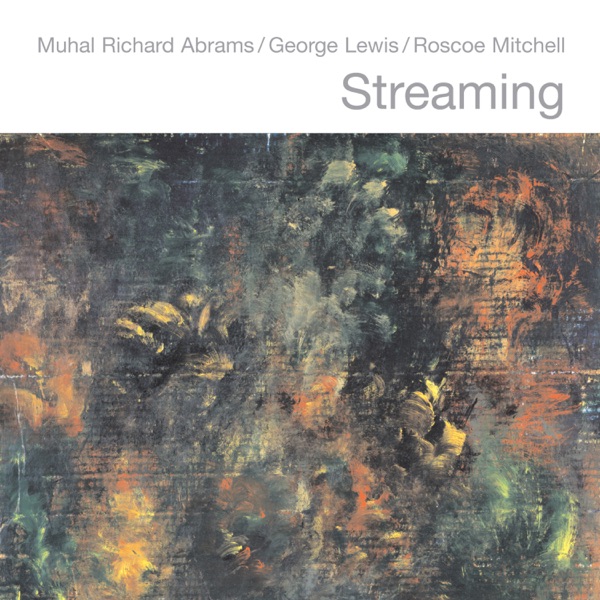
Three Masters Taking Stock Together
Decades have passed since their debuts, yet they've lost nothing of their musical curiosity and desire to take risks.
When Streaming (2006) arrived, three figures who had shaped the language of free improvisation for half a century decided to document what they still had to say to each other. Muhal Richard Abrams, George Lewis, and Roscoe Mitchell were already living legends by then — each had spent decades pushing abstraction forward — and this studio session was neither a retrospective nor a victory lap. It was simply three minds still hungry enough to meet and see what would emerge.
Critics received it as exactly that: not a milestone album, but proof that restlessness hadn't abandoned these players. Nate Chinen, writing in The New York Times, called them "three masters of structural abstraction at the height of their powers," emphasizing that the real action was textural — the way Abrams's percussive piano and Mitchell's saxophone interacted with Lewis's improvised electronic commentary, performed live on laptop. AllMusic reviewer Scott Yanow praised the "enthusiastic interaction" between them, though the record landed as something esoteric and deliberately difficult rather than a commercial statement.
What makes this worth hearing is precisely that difficulty. There are no melodies to grab onto, no grooves to settle into. Instead, you get five pieces that think in abstraction the way most musicians think in changes — it's their native language. This isn't a record that builds a reputation over time so much as a record that asks you to meet them halfway. It's for listeners ready to follow three musicians into texture and risk rather than comfort.
Who's playing
Where next?
More by Muhal Richard Abrams

Things to Come From Those Now Gone 1975

Levels and Degrees of Light 1968
Sightsong 1976

Young at Heart / Wise in Time 1970
The musicians on this record
Their own records, close in time


