1980 · Album
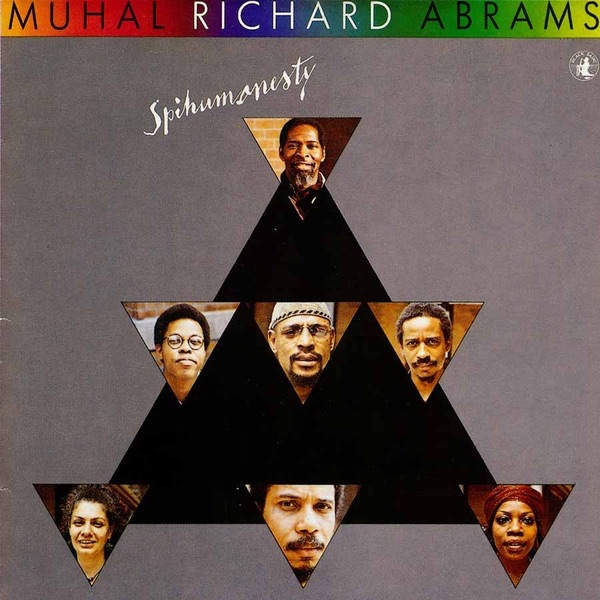
Spihumonesty
Recorded 1979 · Black Saint · Personnel: Muhal Richard Abrams, George Lewis, Roscoe Mitchell, Amina Claudine Myers, Youseff Yancy, Leonard Jones, Jay Clayton
When the Avant-Garde Hesitates
A session where serious players reached for something grand and mostly missed.
Spihumonesty arrived without fanfare and has stayed that way. The Rolling Stone Jazz Record Guide dismissed it outright: "what should be a good band doesn't come up with much." AllMusic's half-star rating suggests indifference rather than passion. For a session led by Muhal Richard Abrams, then already established in Chicago's experimental circles, this was a rare misstep—or at least a record that didn't connect even with listeners sympathetic to free jazz.
The lineup itself looked promising on paper. George Lewis on trombone, Roscoe Mitchell on saxophone, vocalist Jay Clayton, and Amina Claudine Myers on keyboards and vocals should have generated interesting friction. But the album feels scattered, as if the group hadn't quite figured out what Abrams wanted from them. The pieces don't develop so much as meander, and the energy that might have pushed these musicians past their usual approaches never quite arrives. This isn't chaos refined into structure; it's a session where individual voices don't find common ground.
Spihumonesty matters less as a peak moment in Abrams's catalog than as evidence that even accomplished bandleaders can assemble talented musicians and still produce something forgettable. It's a curio now—worth hearing if you're tracing Abrams's work or tracking how free-jazz experiments of the late 1970s could stumble even with serious personnel.
Who's playing
Leonard Jonesbass
Roscoe Mitchellflute
Amina Claudine Myersorgan
Muhal Richard Abramssynthesizer
George Lewissynthesizer
Youseff Yansytheremin
Where next?
More by Muhal Richard Abrams

Things to Come From Those Now Gone 1975

Levels and Degrees of Light 1968
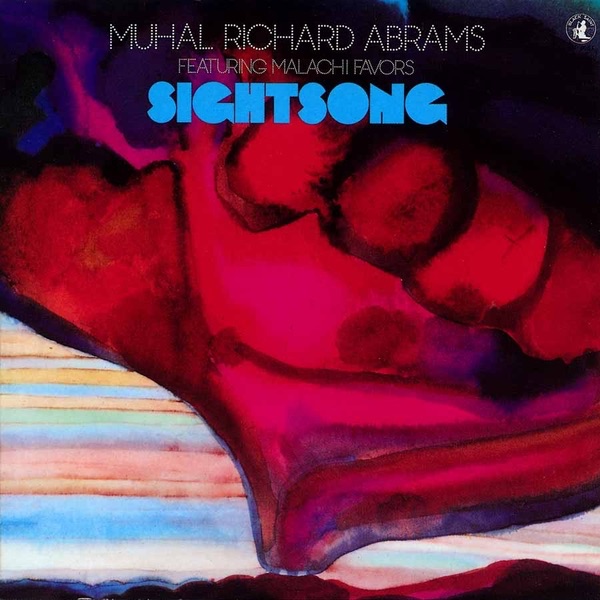
Sightsong 1976

Young at Heart / Wise in Time 1970
The musicians on this record
Their own records, close in time