1982 · Album
Blues Forever
Recorded 1982 · Black Saint · Format: Seven Abrams compositions performed by eleven-member big band

Eleven Voices, One Composer's Vision
A big band built entirely from Abrams' own pen, distilled into seven essential pieces.
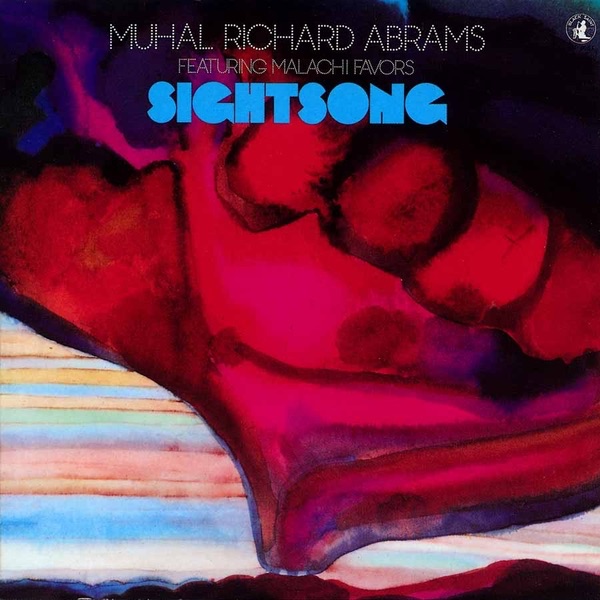
When Muhal Richard Abrams brought an eleven-member big band into the studio for Blues Forever (1982), he was thinking in orchestral terms — not hiring a rhythm section and soloists, but composing for a ensemble where every voice served a specific architectural purpose. The Italian label Black Saint gave him room to work, and what emerged was a set of seven compositions that showed Abrams thinking in colors and densities rather than the usual hard-bop solo trade-offs. This is neither a collection of standards nor a jam session; it's a composer's demonstration of what his writing could accomplish with space and players who could execute precisely what he'd imagined.
The album sits comfortably among Abrams' work — not a turning point, but a clarifying statement. By 1982 he'd already spent decades building the Association for the Advancement of Creative Musicians in Chicago and developing his own language as both a pianist and orchestrator. Blues Forever isn't his most celebrated record, and it's not the place most people start with his music. But it occupies a solid position for anyone serious about understanding how he thought about form and texture beyond the piano trio or small ensemble settings.
What makes this session worth hearing is straightforward: it documents a working composer in control of a real orchestra, solving specific musical problems across seven tracks. No padding, no filler — just the pieces he wanted recorded, played by musicians he trusted to hold the shape he'd drawn. The results don't announce themselves with fanfare, but they reward close listening.