1981 · Album
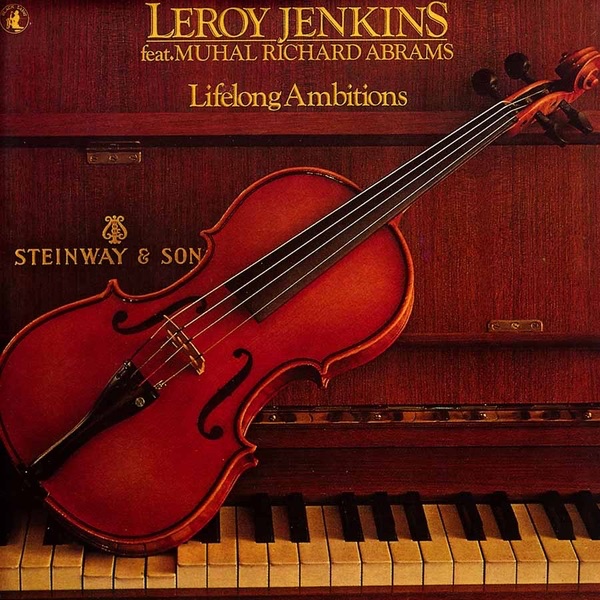
Lifelong Ambitions
Recorded 1977 · Black Saint · Format: Live album
Two Voices in Patient Conversation
Jenkins and Abrams circle each other carefully, neither rushing, both listening hard.
What you hear first is space. The violin enters not with declaration but with a question, a single note that hangs in the air before Muhal Richard Abrams responds on piano—deliberate, unhurried, as if the two musicians have all the time in the world. There are no rhythm sections here, no drums pushing momentum forward. It's just these two instruments testing each other's ideas, backing away, trying again. The tempos shift subtly. Some passages move at the pace of thought itself, Jenkins's bow drawing long, searching lines while Abrams colors underneath with chords that feel considered rather than reflexive. Other moments quicken slightly, but even then there's a schoolmasterly patience to the whole thing—a quality the critics noted—as if Abrams is thinking through each response before committing to it.
This is a duet album recorded live in 1977, and it works because both players respect silence as much as sound. Jenkins stays tethered to recognizable harmonic centers for much of the set, which keeps things grounded despite the free jazz context. He ventures into pan-tonal territory occasionally, but never loses the thread. The pieces are kept abstract and nearly identical in length, which means you're not listening for dramatic arcs or narrative payoff. You're listening to craftsmanship, to two musicians who know how to listen to each other. AllMusic reviewer Ron Wynn called Jenkins free jazz's greatest violinist and noted that he works best in intimate situations with equally talented partners—conditions that are clearly met here.
If you know Jenkins's fiercer, more combative work, this album might seem restrained. It's not his peak in terms of raw intensity, but it's the sound of two serious players having a conversation rather than making a statement. That's worth hearing on its own terms.