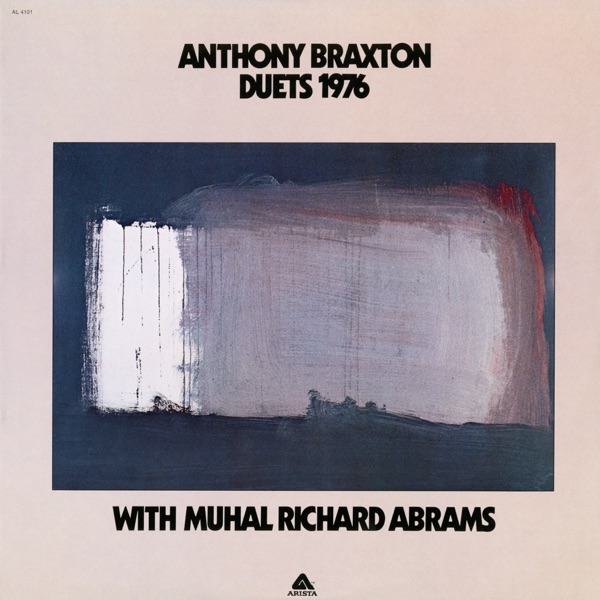
1976 · Album
Duets 1976
Recorded 1976 · Arista · Contents: Three Braxton compositions, two jazz standards, one improvisation
Braxton and Abrams: A Meeting of Minds
What emerges is ragged but real—two inventive musicians finding their way through unfamiliar territory together.
Anthony Braxton brings the saxophone to these sessions, but it's Muhal Richard Abrams at the piano who makes this record what it is. Abrams was already a seasoned musician and bandleader by 1976, with a depth of harmonic knowledge and improvisational flexibility that could meet Braxton's angular, modernist approach on equal ground. Where Braxton's compositions and saxophone work point toward the avant-garde, Abrams keeps the music rooted in swing and stride sensibilities, creating tension between two very different jazz languages. The album includes three Braxton pieces, two standards, and one improvisation—a modest program that lets both players breathe without overstating the occasion.
AllMusic reviewer Brian Olewnick heard something honest in the results: "somewhat ragged" but balanced by "enthusiastic playing and an intriguing choice of material." That raggedness matters. This isn't a polished studio album where everything locks in perfectly. Instead, you hear two strong-willed musicians working out how to listen to each other in real time, which is exactly what the duet format demands.
Duets 1976 has remained somewhat peripheral in both musicians' catalogs, overshadowed by their other work—Braxton's Arista recordings were later compiled comprehensively by Mosaic Records in 2008—but it matters as evidence of Abrams' willingness to venture into unfamiliar terrain. For anyone interested in how different generations and aesthetic philosophies in jazz could actually meet across the keyboard and saxophone, this record offers something worth hearing.