2001 · Album
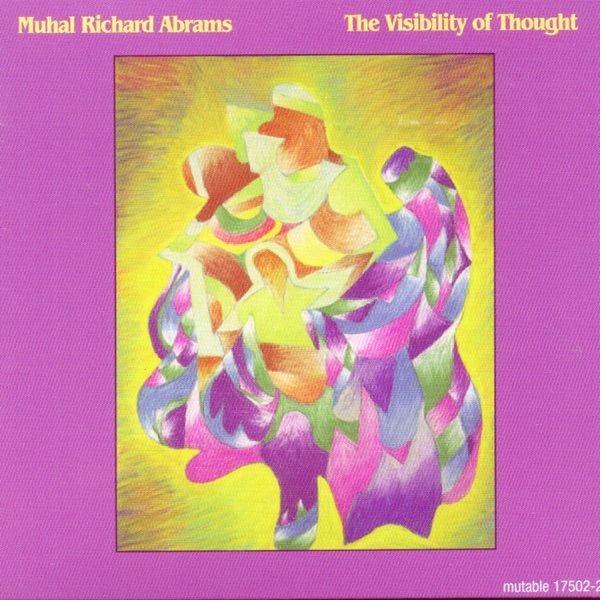
The Visibility of Thought
Recorded 2001 · Mutable Music · Composer and Conductor: Muhal Richard Abrams
Abrams Conducts Across Classical Boundaries
A curious record that touches too many stylistic dimensions at once, refusing easy categorization.
The Visibility of Thought finds Muhal Richard Abrams working entirely outside the jazz ensemble tradition that made his name. These are contemporary classical compositions performed by string players, vocalists, and specialized musicians drawn from the new music world—Jon Deak on bass, Joseph Kubera on cello, Mark Feldman on violin, vocalist Thomas Buckner, and the string quartet ETHEL among them. Abrams conducts and composes rather than improvises, which immediately signals a different kind of thinking. The session captures work written for these specific players, chamber music in the truest sense.
What emerges is genuinely uncertain territory. These pieces do not swing, do not follow jazz harmonic logic, and make no concession to the listener expecting Abrams the AACM pioneer or Abrams the bandleader. Instead they're intricate, often austere, sometimes sounding like they're built from fragments and architectural constraints rather than emotional narratives. Some tracks feel almost minimalist; others drift into territories closer to experimental classical than anything jazz would recognize. The Penguin Guide noted the album's refusal to stay in one place, and that restlessness is the whole point. Abrams was testing whether his compositional voice could survive entirely outside the idiom that defined him.
This is not an album for casual listening or for fans wanting to extend their knowledge of Abrams' jazz output. It sits apart from his core catalogue, interesting mainly as evidence that he was willing to risk irrelevance to pursue compositional ideas that had nothing to do with jazz tradition. Whether that risk succeeded depends entirely on what you want from the music.