1981 · Album
Garden 1
Recorded November 16, 1981, Basel, Switzerland · Hat Hut · Released: 1982 (original double LP); 1990 (as two single CDs)
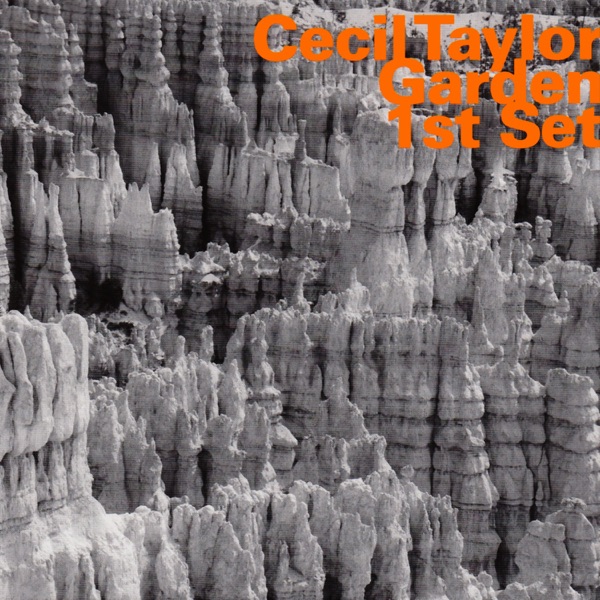
Solo at the Piano in Basel
Taylor alone with a Bösendorfer, translating decades of harmonic density into pure gesture.
On November 16, 1981, Cecil Taylor sat down at a Bösendorfer grand piano in Basel, Switzerland, with no bandmates, no rhythm section, nothing but the instrument and the room. The setting mattered: a concert hall, not a studio, which meant the piano's natural acoustics and the peculiar demands of live performance shaped every phrase. Taylor had spent thirty years developing a language that fused bebop vocabulary with modernist intensity, playing through harmonic thickets and rhythmic displacements that most pianists would find unnavigable. Here, stripped to the essentials, he had to make that language breathe on its own terms.
What emerges across the seven performances is not a retreat into simplicity but a different kind of complexity. Without a drummer to anchor the time, Taylor creates floating architectures of sound—clusters and runs and silences that build their own logic. The solo format reveals how thoroughly his approach had matured: he was no longer proving something about speed or density, but exploring how much structural weight a single instrument could carry. The Bösendorfer, a piano known for its depth and sustain, lets him layer resonance in ways that wouldn't have registered on other instruments.
AllMusic reviewer gave it 4.5 stars, and the assessment was just. This is essential Taylor—not an introduction for newcomers, but a document of an artist at full command of his instrument and his vision. Start with Conquistador! (1966) or Spring of Two Blue J's (1973) if you want his group work. Garden Part 1 is for listeners ready to meet Taylor alone.
Who's playing
Cecil Taylorpiano
Where next?
More by Cecil Taylor
All 77 albums →