1973 · Album
Student Studies
Recorded November 1966, Paris · BYG (original release 1973) · Produced by Not credited
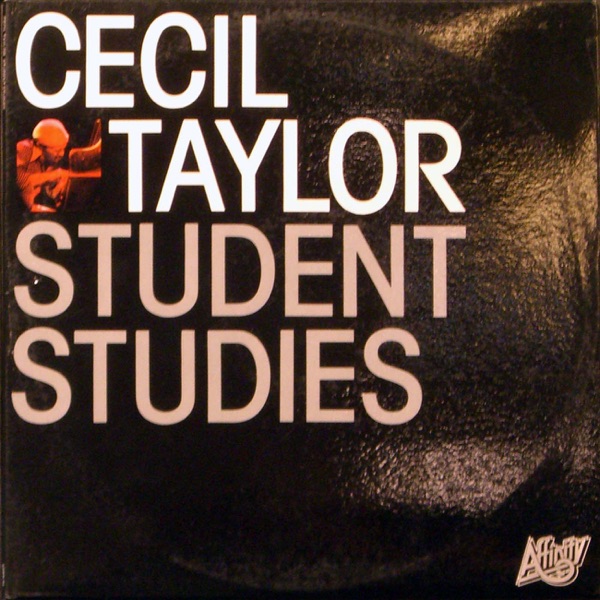
Arranged Freedom: Taylor's Paris Breakthrough
Taylor uses arranged sections and built-in segments for thematic and improvisational space — the sound of an artist at a creative peak.
In November 1966, Cecil Taylor led a working band into a Paris studio with Jimmy Lyons, Alan Silva, and Andrew Cyrille, and what emerged was unexpected: a live recording that departed from pure improvisation into something more architecturally considered. Taylor had written out arranged sections and thematic studies, creating scaffolding for the musicians to work within and against. This was not Taylor boxing himself in — it was Taylor building a structure tall enough to climb through.
What makes Student Studies distinct in Taylor's catalog is exactly this tension between composition and freedom. Lyons' alto saxophone cuts sharp and angular over the rhythm section, while Silva and Cyrille lock into propulsive grooves that feel almost blues-derived, then fracture into abstract passages where pitch and rhythm splinter apart. Taylor's piano dominates — cascading runs, sudden silences, clusters of notes that feel less like chords than weather systems. The arranged segments give the listener footing; the improvisational bursts remind you that planning is just a starting point.
AllMusic reviewer Thom Jurek heard this recording as Taylor at a peak, someone who had learned how to lead a band through dense sonic architecture without losing the spontaneity that made free jazz essential. The music here — those short tonal studies punctuated by surges of energy — would echo through Taylor's later work. This is the sound of an artist moving forward by surprising himself and his collaborators in the same breath.
Who's playing
Where next?
More by Cecil Taylor
All 77 albums →
The musicians on this record
♫
Junction 1976
Andrew Cyrille
plays drums (drum set) here
plays drums (drum set) here
♫
In the Tradition 1993
Alan Silva
plays bass here
plays bass here



