1966 · Album
Unit Structures
Recorded October 1966 · Blue Note Records · Produced by Not specified in provided Wikipedia entry

Structures Built in the Studio, October 1966
Taylor's piano cuts through the ensemble like controlled chaos, refusing to settle into groove or comfort.
Unit Structures arrived in October 1966 as Cecil Taylor's statement on small-group improvisation for Blue Note Records. The session brought together musicians willing to work inside Taylor's compositional framework—not as soloists taking turns, but as interlocking voices moving through written structures that opened into collective exploration. The album mattered because it showed Taylor could build pieces from the ground up, sketching enough architecture to guide the ensemble while leaving room for genuine spontaneity. This wasn't free jazz posturing. Every musician knew the terrain before entering it.
What you hear on the record is dense, conversation-like—voices interrupting, answering, pushing back. Taylor's piano drives relentlessly forward, stabbing and rolling through intervals that shouldn't work but do. The band stays tight around him, responsive rather than decorative. The approach was deliberate: structure tight enough to hold meaning, space wide enough for reaction. AllMusic's five-star rating recognized the album as a complete artistic statement, neither experimental showpiece nor avant-garde indulgence, but seriously composed jazz played with real sophistication.
Unit Structures stands among Taylor's strongest records from this period—not his most accessible entry point, but proof that compositional rigor and improvisation could coexist without canceling each other out. For listeners already inside Taylor's world, it remains essential. For newcomers, it demands attention but rewards it.
Who's playing
Henry Grimesdouble bass
Alan Silvadouble bass
Jimmy Lyonsalto saxophone
Eddie Galetrumpet
Andrew Cyrilledrums
Ken McIntyreoboe
Cecil Taylorbell
Where next?
More by Cecil Taylor
All 77 albums →
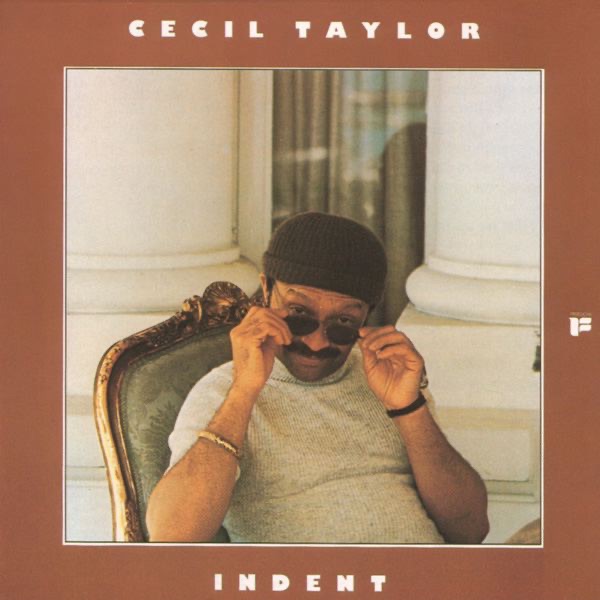
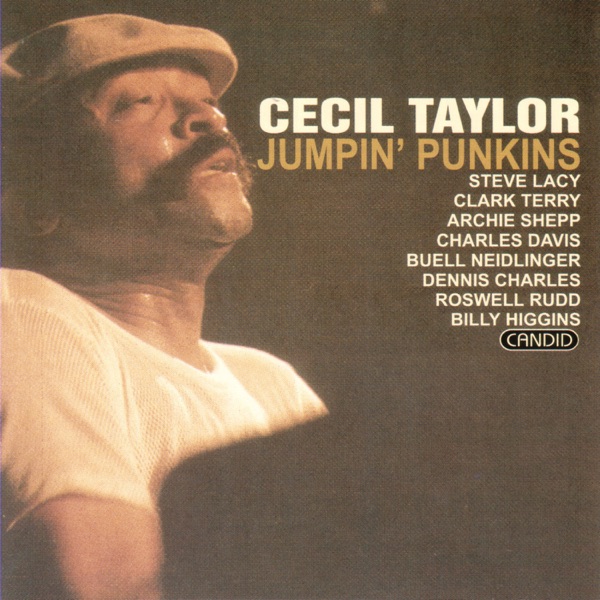
The musicians on this record

Special People 1981
Andrew Cyrille
plays drums (drum set) here
plays drums (drum set) here
♫
In the Tradition 1993
Alan Silva
plays double bass here
plays double bass here



