1971 · Album
Nuits de la Fondation Maeght, vol. 3
Recorded 1976 · Shandar Records · Produced by Unknown
Late Flowering: Taylor's Fondation Maeght Statements
By the 1970s, Taylor had moved beyond proving anything—here he simply plays.
By the time Cecil Taylor recorded at the Fondation Maeght, he was already deep into his second decade of uncompromising output, yet this session arrived at a peculiar moment: after the initial shock of his arrival had settled, after critics had stopped asking whether his approach was even music. He was free to simply work. The Fondation Maeght recordings sit comfortably in the middle of his catalog—not a debut statement, not a peak, but evidence that Taylor had moved past needing to convince anyone of anything.
With Jimmy Lyons on alto saxophone and Andrew Cyrille handling percussion, Taylor constructs architectures that feel less confrontational than meditative. There's still density, still the characteristic velocity of his touch, but the playing suggests someone who had internalized his own revolution. The piano doesn't announce itself as radical anymore; it simply occupies space with absolute authority. The band locks into something almost conversational, though conversation here means sustained intensity broken only by brief moments of breathing room.
These records matter less as turning points and more as evidence of steadiness—proof that Taylor could sustain his vision across multiple sessions without repetition or fatigue. They're not the place to start, and they're not his most celebrated work, but they're valuable for anyone who has already decided Taylor is worth their time. By this stage, commitment was the real prerequisite.
Who's playing
Where next?
More by Cecil Taylor
All 77 albums →
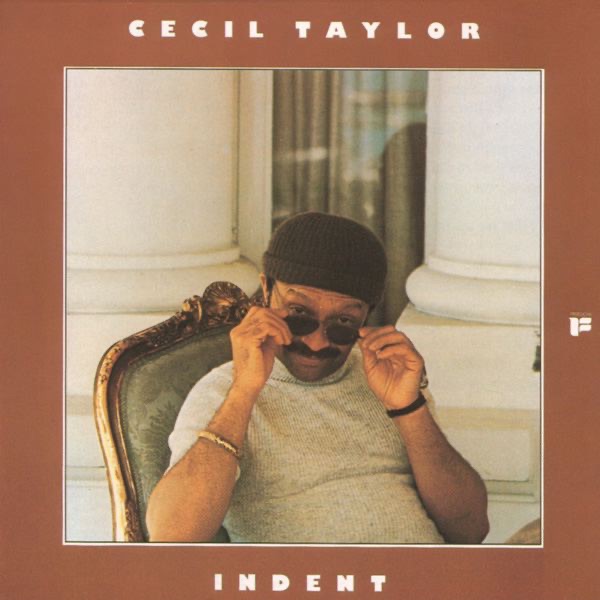
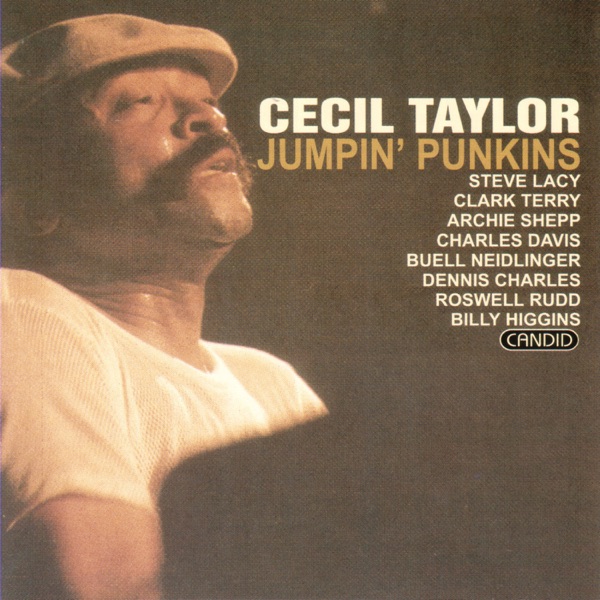
The musicians on this record
Their own records, close in time



