1988 · Album
Tzotzil / Mummers / Tzotzil
Recorded November 13, 1987 (Paris, music); November 16–17, 1987 (London, poetry overdubs) · Leo · Personnel: Cecil Taylor (piano, poetry); Thurman Barker (drums); William Parker (bass); Carlos Ward (saxophone); Leroy Jenkins (violin, viola)

Poetry and Chaos Collide in Paris
Taylor's voice layered over music recorded days earlier, in a different country—weird, yes, but the band never wavers.
What makes Tzotzil/Mummers/Tzotzil (1987) genuinely strange is not just its conceptual oddness but how Leroy Jenkins and the rest of the ensemble hold their ground through it. Taylor recorded the instrumental performance in Paris on November 13, then flew to London and overdubbed his own voice reading poetry three days later. Hearing his multi-tracked vocals float over music that has no idea they're coming is disorienting by design. Yet Jenkins, alongside Thurman Barker, William Parker, and Carlos Ward, moves through the chaos as if it were planned. There's no scrambling, no sound of musicians trying to catch up to a concept they didn't rehearse.
Taylor's poetry is intentionally opaque—he reads in bursts and fragments, sometimes barely intelligible. A lesser band would sound lost. Instead, this one sounds like it's following invisible coordinates. Jenkins in particular cuts through the abstraction with restless energy, his violin and viola pulling at the edges while Taylor's piano drives forward. The rhythm section doesn't keep time so much as it proposes it.
This is a Leo Records release, and the label was always willing to document Taylor's more experimental turns. The AllMusic reviewer Thom Jurek gave it 4.5 stars while acknowledging the weirdness head-on—not excusing it, but hearing in it exactly what Taylor wanted: a working band that refuses to be thrown by unconventional architecture. It's a document of trust between musicians who understood that Taylor's ideas, however oblique, were worth following into uncomfortable territory.
Who's playing
Where next?
More by Cecil Taylor
All 77 albums →
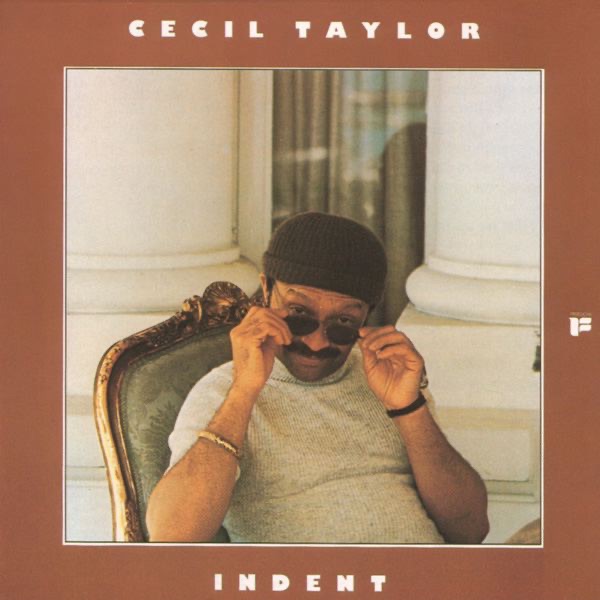
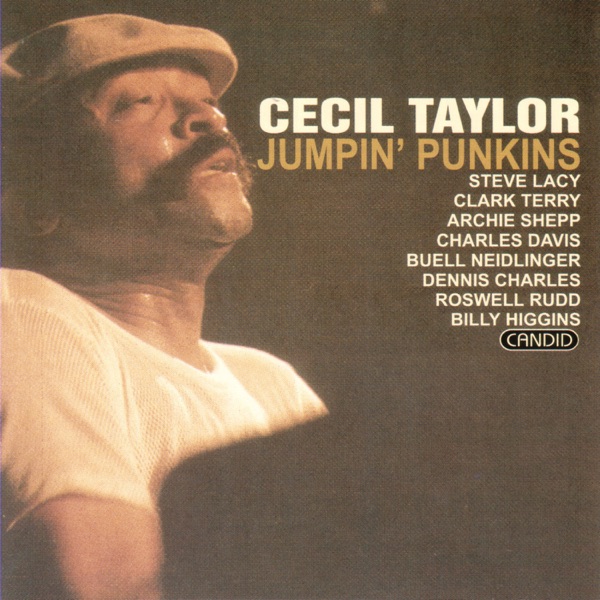
The musicians on this record
Their own records, close in time