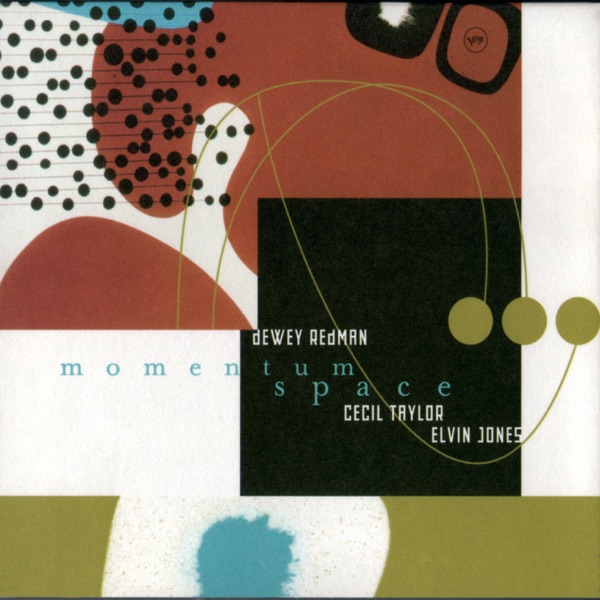
Three Masters in Free Dialogue
Three voices—piano, saxophone, drums—negotiate space with no safety net, no predetermined shape.
Momentum Space brought together three distinctive improvisers at a moment when each had already established a singular voice. Dewey Redman on tenor saxophone, Cecil Taylor at the piano, and Elvin Jones on drums entered the studio with no written material and no agreed-upon direction. What they made was completely free—no key, no rhythm framework, no compositional scaffold. The music lives entirely in real-time decision-making: when one player pushes, another recedes; when silence opens up, someone fills it. The three tracks stretch long enough to let patterns emerge and dissolve organically.
Scott Yanow's AllMusic review found the results unpredictable but ultimately not essential, noting the music didn't quite reach the heights of a truly classic session. Craig Jolley, writing for All About Jazz, heard it differently—he called it a major statement and praised how each musician got space to lead while the others responded, creating a genuinely collaborative conversation rather than three soloists taking turns. The rhythm doesn't lock into groove; instead it becomes fluid, moment to moment, determined by what the players need right then.
This is late-career work for all three men, each already secure in their approach. Taylor's piano is percussive and restless. Redman's tenor ranges from breathy and textural to forceful and direct. Jones's drumming anchors nothing and questions everything. For listeners accustomed to melody, harmony, or steady time, Momentum Space demands active attention. It's not the place to start with any of these musicians, but for those already familiar with their work, it captures something real about how three strong improvisers handle the freedom to create with no net.
Who's playing
Where next?
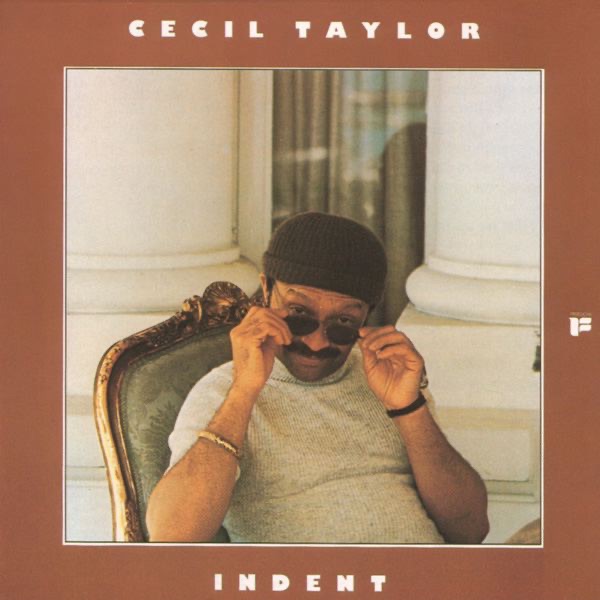
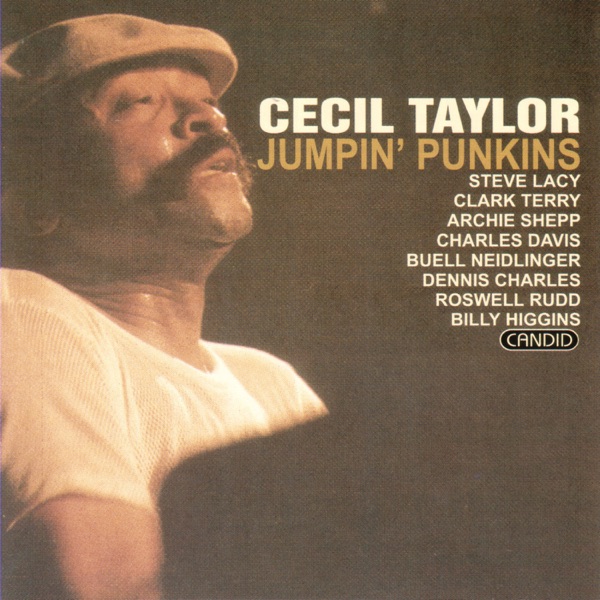
More by Cecil Taylor
All 77 albums →
The musicians on this record

Dear John C. 1965
Elvin Jones
plays drums (drum set) here
plays drums (drum set) here

In London 1997
Dewey Redman
plays tenor saxophone here
plays tenor saxophone here



