1960 · Album
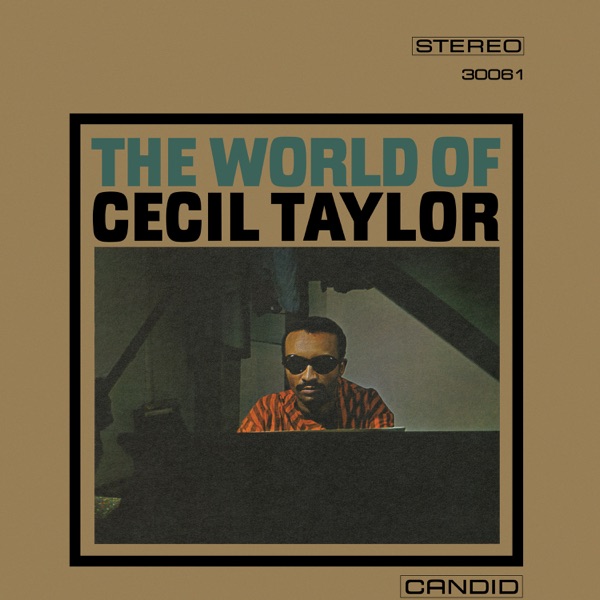
The World of Cecil Taylor
Recorded October 1960 · Candid · Produced by not specified in verified sources
Midway Between Standards and Abstraction
Blues feeling runs through Taylor's radical experiments, a thread listeners often miss.
In October 1960, Cecil Taylor stood at a crossroads. He had already absorbed the modernist vocabulary of bebop and cool jazz, could parse a standard with intelligence and sophistication. But something else was calling—a push toward abstraction, toward the kind of radical restructuring that would define his later work. The World of Cecil Taylor captures him suspended between these poles, which makes it one of his most approachable early statements and also one of his most revealing.
The session pairs Taylor's piano with Archie Shepp, Buell Neidlinger, and Denis Charles. What emerges is neither straight-ahead jazz nor the full-throttle abstraction he would pursue a few years later. Instead, there's a working conversation: Taylor's playing retains shape and form, the rhythm section locks in behind him, but there's already a restlessness in his touch, a refusal to settle. AllMusic reviewer Brian Olewnick noted the deep blues feeling woven through the music—a pulse that never abandons Taylor, even when he ventures into further reaches. That continuity matters. Too often, Taylor's later work gets heard as a complete break from tradition. This album proves otherwise: the blues vocabulary was always there, transformed but never discarded.
If you're coming to Taylor for the first time, this is a smarter entry point than his raw avant-garde records. If you already know his work, you'll hear him thinking aloud, deciding what to keep and what to burn away. The session was later released under different titles—alternate takes appeared on Air (1987), and a 1971 reissue on Barnaby also used that name—but the original Candid pressing remains the cleanest place to listen.