Solitude and Structure in the Mid-Career Turn
Taylor's most searching work, where silence becomes as important as the cascading notes themselves.
By the time Cecil Taylor recorded Nuits de la Fondation Maeght, vol. 2, he had already established himself as a pianist of uncommon ambition and technical command. This was not a debut or a surprising late-career pivot — it was a deliberate deepening, a moment when Taylor's decades of compositional work and his uncompromising approach to rhythm and harmony began to crystallize into something more introspective than his earlier, more overtly energetic sessions. The album sits squarely in his mature period, after he had moved past proving himself and into genuine artistic investigation.
What makes this recording distinct is its restraint. Taylor works here with Jimmy Lyons on alto saxophone, and the two create space rather than fill it — long passages where the piano establishes a harmonic field, then dissolves into near-silence, allowing Lyons to respond with lean, deliberate phrases. There is nothing rushed or showy about it. The rhythmic foundation comes from Andrew Cyrille, whose work here is less about propulsion and more about texture and suggestion. This is Taylor doing chamber work, not spectacle.
The Fondation Maeght setting — a museum in southern France with its own concert hall — seems to have encouraged this chamber sensibility. The sound is clear and immediate, the intimate acoustics catching every hesitation and every moment of precision. For listeners already committed to Taylor's music, this ranks among his finest achievements. For newcomers, it remains difficult, patient work that rewards close listening but does not invite casual engagement.
Who's playing
Where next?
More by Cecil Taylor
All 77 albums →
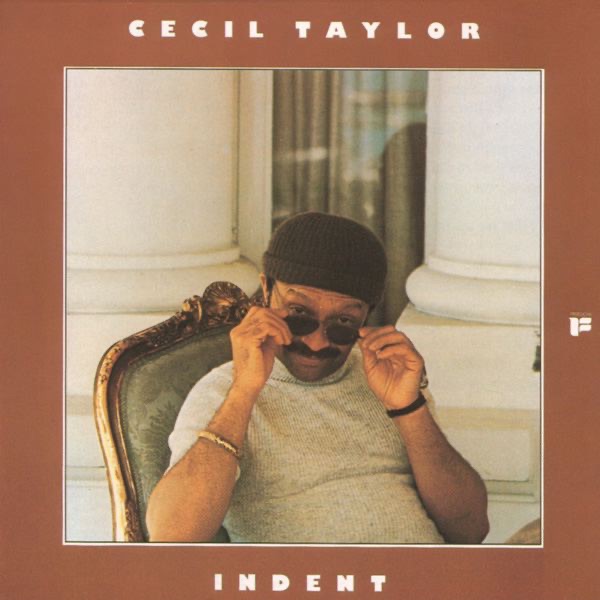
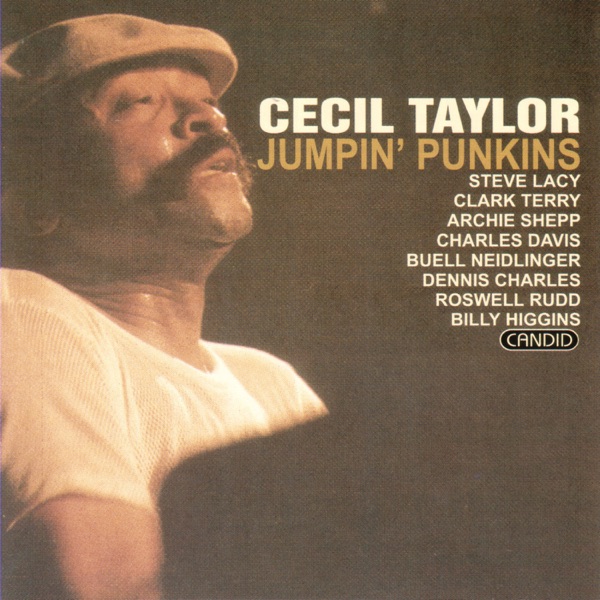
The musicians on this record
Their own records, close in time



