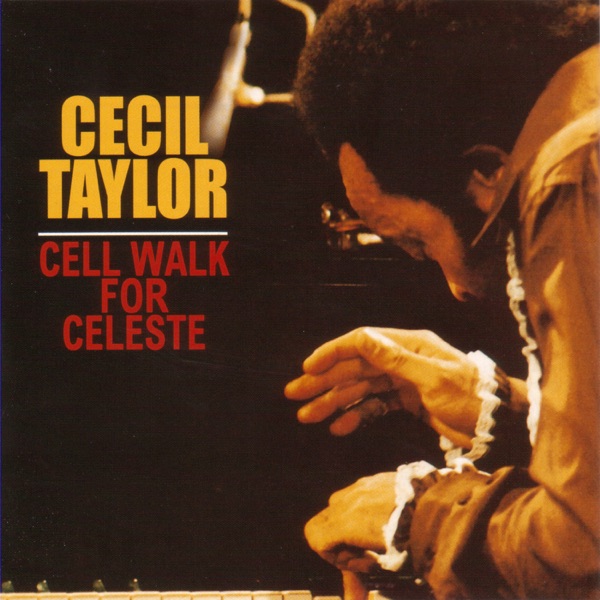
Fractured Flow: Taylor's Radical Small Group Moment
Taylor's playing is like aural modern ballet—fractured, flowing, and lyrical.
These sessions captured Cecil Taylor at a pivotal moment, working with Archie Shepp, Buell Neidlinger, and Denis Charles in January 1961. The Candid label, known for its adventurous roster, gave Taylor space to experiment with small group arrangements that sit oddly between tradition and radical innovation. What's striking is how much range fits into these sides: "Jumpin' Punkins" swings in a recognizable post-bop pocket, while the title track ventures into fractured, modernist territory that sounds almost unmoored from conventional time. Taylor isn't trying to reconcile these impulses—he's exploring both simultaneously, and the rhythm section follows him into genuinely weird places without losing coherence.
The long delay before release—the album didn't surface until 1988—means these recordings arrived in jazz history out of sequence, which may actually serve them well. Heard now, they don't sound like a road to anywhere. They sound like a specific moment of argument and invention, three musicians pushing against each other's intentions. Neidlinger's bass playing is particularly worth hearing; he's not just keeping time but quarreling with Taylor's fractured left hand. Shepp and Charles are equally present, never filling space, never decorative.
This isn't Taylor's peak or his most essential record for newcomers—start with The World of Cecil Taylor (1960) first. But for anyone who's already spent time with his music, Cell Walk shows a restless artist refusing to settle, testing whether structured chaos could hold together long enough to mean something. For committed listeners, it's invaluable.
Who's playing
Buell Neidlingerbass
Cecil Taylorpiano
Archie Shepptenor saxophone
Charles Davisbaritone saxophone
Steve Lacysoprano saxophone
Clark Terrytrumpet
Roswell Ruddtrombone
Billy Higginsdrums
Dennis Charlesmembranophone
Where next?
More by Cecil Taylor
All 77 albums →
The musicians on this record
Their own records, close in time


