2002 · Album
The Willisau Concert
Recorded September 3, 2000, Jazzfestival Willisau · Intakt Records · Instrument: 97-key Bösendorfer Imperial piano

A Grandmaster Unfazed by Time
Taylor at seventy plays with absolute confidence, building towering structures from silence and restraint.
From the first notes, you're in the hands of someone who has thought about every millimeter of the keyboard. Cecil Taylor at the Willisau festival in 2000 doesn't attack the piano so much as interrogate it — long stretches of silence punctuated by sudden bursts of concentrated activity, chords that seem to arrive from nowhere, lines that curl back on themselves. On a 97-key Bösendorfer Imperial, he builds what sounds like architecture: short, self-contained units set apart by pauses that feel like breathing, each section distinct yet part of something larger. There's nothing loose or exploratory about it. This is control.
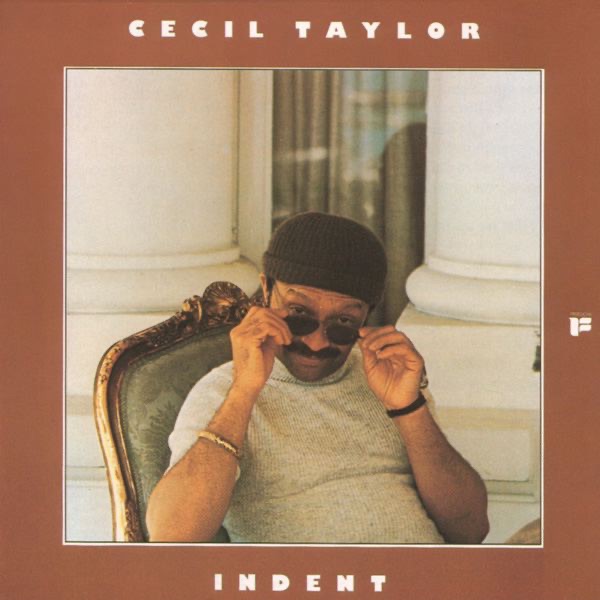
By age seventy, Taylor had decades of solo work behind him, and The Willisau Concert stands among his strongest late recordings. AllMusic reviewer Brian Olewnick placed it alongside Indent, Silent Tongues, and Double Holy House — his essential mature solo work. The Penguin Guide awarded it four stars, the highest mark. What makes it matter is Taylor's refusal to soften or simplify. He's not trading on reputation. The playing is fierce, deliberate, and utterly unsentimental. Gary Giddins called it a major statement of Taylor's maturity, and he was right — this is not a pianist coasting on past achievements.
If you've heard Taylor's free-form improvisations or his group recordings, you know his language. Solo, stripped to just the instrument and his hands, that language becomes even more legible. There are no band dynamics to hide behind, no sidemen to shift the weight. What you hear is pure intention translated through decades of investigation into what the piano can express.
Who's playing
Cecil Taylorpiano