The Pianist Who Wouldn't Settle
Joachim Kühn was born in Leipzig in 1944, trained as a classical pianist, and by his early twenties had decided East Germany wasn't going to be where he made his life. He defected to the West in 1966, and that move sets the tone for everything after: this is a musician who kept choosing the harder, less settled path when an easier one was available.
His brother Rolf Kühn (1957), a clarinetist, had already made a name in West German jazz, and for a while the two worked in overlapping circles. But Joachim's own sound took shape through the 70s and 80s in a trio with drummer Daniel Humair and bassist Jean-François Jenny-Clark, a group that played hard, angular, deeply European post-bop and free jazz without ever losing the thread of melody. It's not showy music. It's dense and argumentative in the way good conversation is.
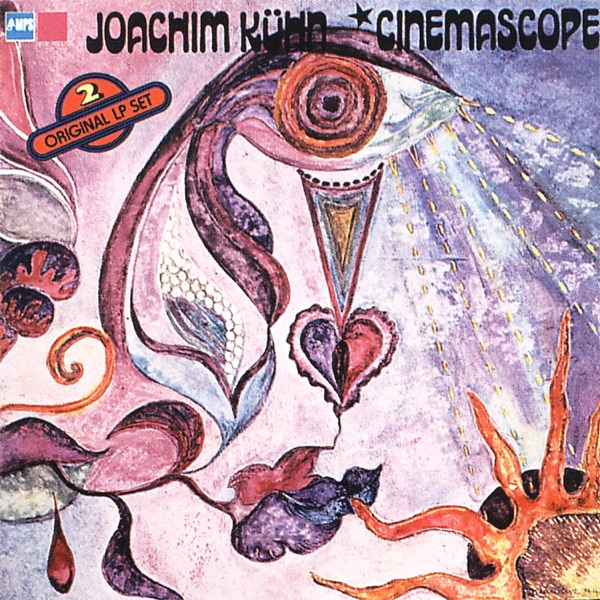
Then there's the fusion decade, which surprises people who only know him as a free-jazz guy. Kühn spent stretches in the 70s and 80s plugged in, working alongside violinist Jean-Luc Ponty and others, chasing the electric sound that was everywhere in that era. It wasn't a detour so much as proof he never saw genre lines as fences.
The collaboration people actually remember, though, is with Ornette Coleman. Their duo record Colors (1997), recorded live in Leipzig, is Kühn meeting harmolodic theory on its own turf and holding his ground — two pianists' worth of ideas coming out of one set of hands, matched against a saxophonist who didn't make room for anyone who couldn't keep up. It remains the thing to point a curious friend toward first, because it shows Kühn doing what he does best: listening hard and answering fast.
He kept working past that peak, moving into trio settings with African and Middle Eastern musicians later in his career, always restless, always testing what a piano trio could hold. Kühn was never a household name outside Europe, and he'd probably tell you that's fine. What he built instead was a body of work that rewards the listener who's willing to follow him down whatever road he's decided to take that decade.