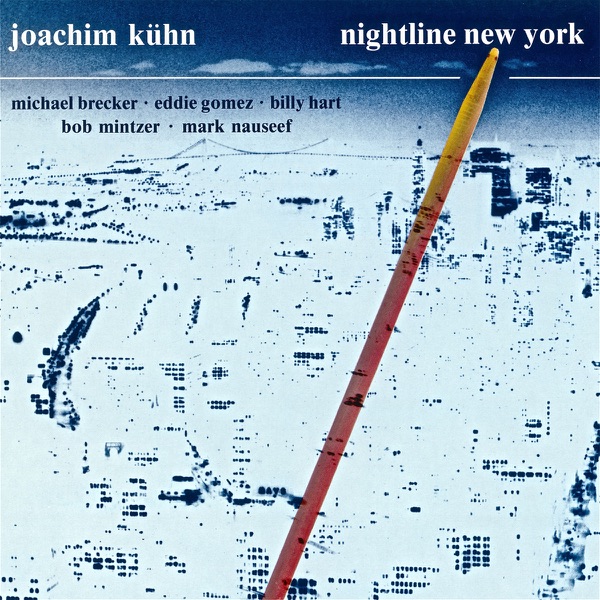
Kühn in Shadow: Dark and Uncompromising
A pianist working without a net, finding depth in sparse, often unsettling harmonic territory.
Dark arrived in 1988 without fanfare, a relatively obscure release that never built the reputation it might have deserved. This was not a record that dominated jazz radio or appeared on year-end lists, and it remains peripheral even among Joachim Kühn devotees who prefer his more gregarious work. That neglect says more about how the album was positioned than about its contents.
Kühn recorded this solo, and the silence around and within these pieces is deliberate. There are no safety nets here—no rhythm section to prop up the harmony, no second voice to sweeten the air. What emerges is a pianist thinking through loneliness, dissonance, and the spaces between notes. Tracks move between introspection and something closer to unease, with Kühn using the full keyboard range but never crowding it. The playing is technically fluent but emotionally restrained, which is the opposite of showiness. Some listeners will find this rewarding; others will find it austere and distant. That split is built into the music.
This is not a debut, and it is not his peak. It sits somewhere between his more conventional jazz work and his later experiments with world music and fusion. If you come to Kühn through his trio recordings or his work with African drummers, Dark will feel like a step away from warmth into something cooler and less hospitable. That coolness is the point.
Who's playing
Joachim Kühnpiano