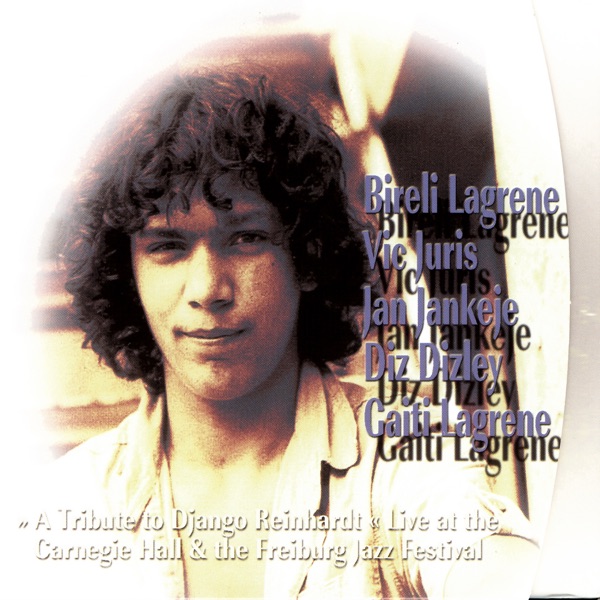
The Kid Who Kept Going
Biréli Lagrène was born in 1966 in Alsace into a Romani family with deep musical roots, and by the time he was twelve he was playing Django Reinhardt's solos so convincingly that people who had actually seen Django play were shaking their heads. His debut album Routes to Django (1980) came out when he was still a teenager and landed like a thunderclap in the European jazz world. The gypsy jazz community celebrated him. Everyone else paid attention.
Then he did something unexpected. Rather than settle into a comfortable career as the world's best Django imitator, Lagrène started listening hard to Jaco Pastorius and Pat Metheny and electric jazz in general. By the mid-1980s he had plugged in and moved toward fusion, which genuinely confused some of his early fans. But listen to albums like Stuttgart Aria (1988) and it becomes obvious this was not a detour — it was a real expansion. The guy could play in that world just as convincingly as he played in the gypsy swing world. That kind of range is genuinely unusual.
His relationship with Jaco Pastorius was real and documented — they recorded together, and working with someone of that caliber clearly pushed Lagrène to think bigger about what jazz guitar could do. He absorbed the influence without disappearing into it, which is harder than it sounds. Through the 1990s he kept moving: back toward acoustic jazz, into bebop territory, collaborating with people like Didier Lockwood and recording in formats from duos to full bands. He was never exactly a genre loyalist.
What Lagrène actually sounds like depends on the album you pick up first. On the acoustic stuff he has this fast, articulate right hand and a deep swing feel — the Django DNA is always audible but never in a museum-piece way. On the electric material he goes for a warmer, rounder tone than a lot of fusion players, with a melodic sensibility that stops his solos from becoming just exercises in speed. He genuinely loves melody, which is something you feel pretty quickly no matter what format he is working in.
The honest assessment is that Lagrène never quite became a household name outside of serious guitar circles, which is a little strange given the talent on display. He never had the one career-defining record that announced him to a wider audience the way some contemporaries did. But flip that around and what you have is a long catalog full of interesting music made by someone who kept pushing himself rather than mining a single successful vein forever. If you are a guitar player or just someone who cares about what the instrument can do in a jazz context, he is absolutely worth spending time with.