The Invisible Architecture of Sound
Paul Bley's piano style operated in the spaces between notes—literally and philosophically. Where other pianists built with weight and force, Bley worked with restraint, letting single tones hang in the air like questions. His touch was so light that you'd find yourself listening harder, leaning in to catch what he was doing. That intimacy became his signature when he came out of Montreal in the early 1950s.
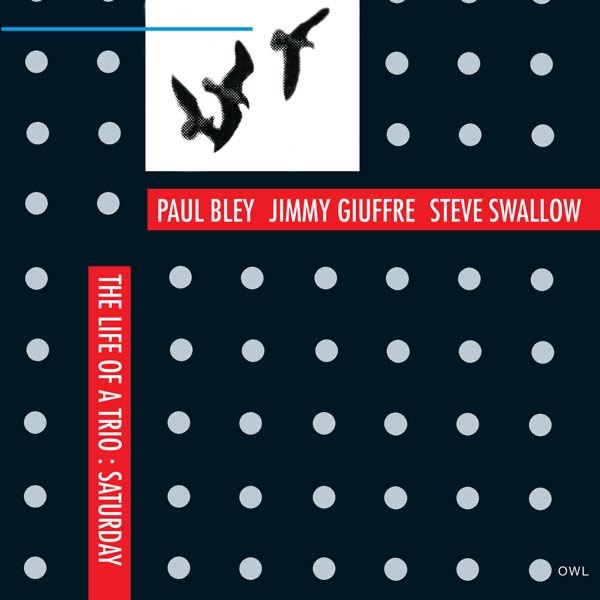
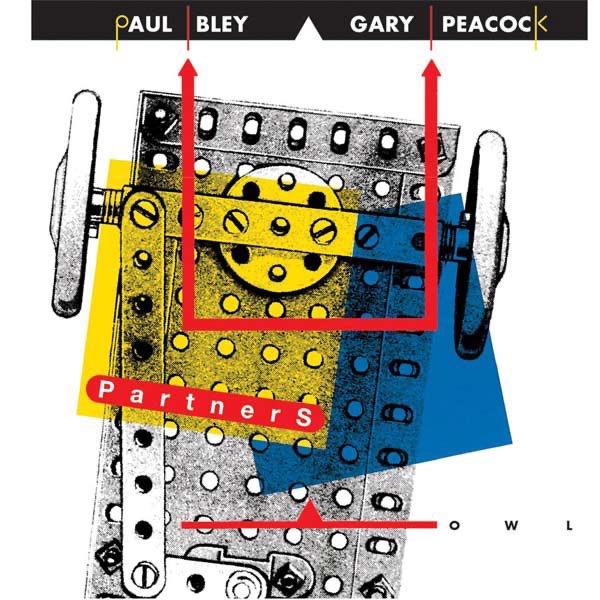
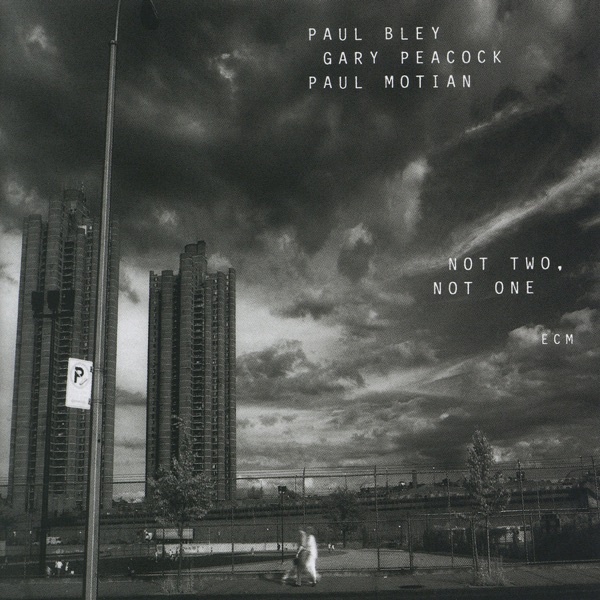
His partnerships showed how wide his reach could be. With Ornette Coleman, he explored harmonic freedom that came before free jazz had a name. With musicians like bassist Gary Peacock and drummer Paul Motian, he created something like melodic pointillism—where the silence between notes mattered as much as the notes themselves. He'd follow a soloist anywhere, whether that meant dropping harmony altogether or hinting at it through quiet chromatic shifts. He was the perfect partner for searching players like saxophonists Jimmy Giuffre and Sonny Rollins because he listened as much as he played.
Later in his life, Bley took up the Fender Rhodes and synthesizers, and this wasn't him changing direction—it was him continuing what he'd always done: finding new ways to explore harmony. Albums like Open, to Love and his work with ECM Records show that he never lost his hunger for what different sounds could do. Whether he was at a church organ, a prepared piano, or an early synthesizer, he was always asking what the instrument could teach him.
What made Bley matter was his refusal to settle for easy answers. He never became famous because his music asked something of you. Yet his mark is all over modern jazz—the musicians he influenced, the way he proved that piano could be a thinking instrument, not just a tool for showing off. In his quiet discipline and his courage, Paul Bley remains jazz's most honest voice.