Bley's Solo Piano at the Edge
Paul Bley plays like he's thinking out loud, testing ideas as they arrive.
This is Paul Bley solo at the piano, just him and the instrument, and it's a quieter statement than you might expect from someone so restless musically. Bley was already known for his harmonic adventurousness and his willingness to follow his ear wherever it led, but here he's stripped down to basics—no horns, no drums, nothing to hide behind. The album doesn't announce itself. These are introspective pieces, some standards reimagined, some originals that feel like they're being composed in real time. Bley's touch is precise but never cold; there's always this sense that he's problem-solving at the keyboard, turning chords inside out to see what's underneath.
What makes this record distinct is how unglamorous it is. This isn't a virtuoso's showpiece. Bley doesn't dazzle you with speed or obvious brilliance. Instead he's working with space, with silence, with the weight of individual notes. His left hand often stays minimal, letting the harmony breathe rather than filling every available moment. If you come in expecting something lush or sentimental, you'll be disappointed. It's cerebral without being cold, exploratory without being self-indulgent.
Early in his career, Bley was finding his voice, and this solo piano date captures him mid-discovery. It's not his most famous work, but it's essential for understanding how he thought. This is the kind of album that rewards close listening and might not grab you on first play. If you're already interested in Bley's approach to harmony and time, you'll find plenty here to return to. For newcomers, you might want to start elsewhere—but come back to this once you've spent time with his other work.
Who's playing
Where next?
More by Paul Bley
All 15 albums →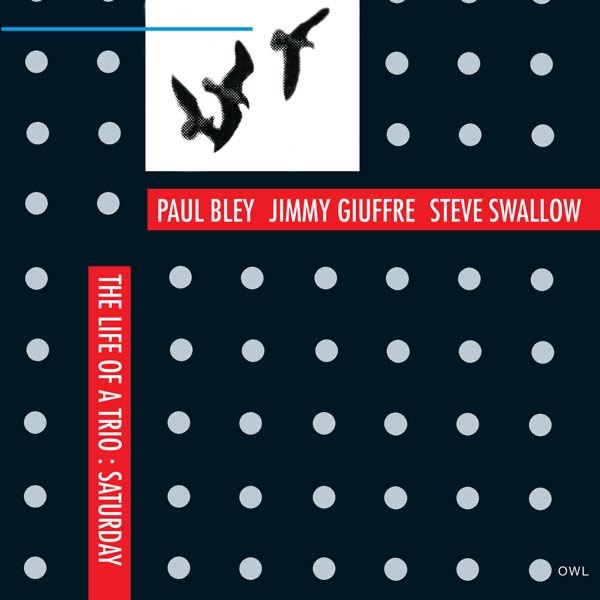


The musicians on this record

Pithecanthropus Erectus 1956
Charles Mingus
plays double bass here
plays double bass here

Hard Bop 1956
Art Blakey
plays drums (drum set) here
plays drums (drum set) here