Wandering Without a Map
Bley treats the piano like a conversation partner, never quite settling into comfortable grooves.
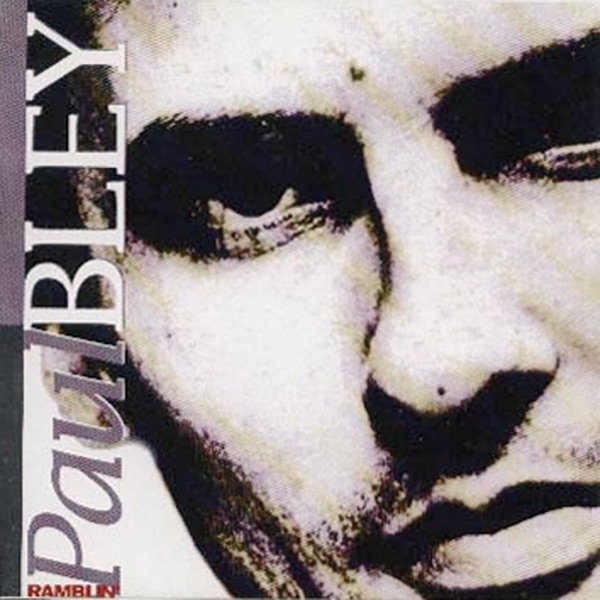
Paul Bley's Ramblin' (1959) arrives at an interesting moment in his career—early enough that he's still finding his voice, but skilled enough that you hear real intention in every choice. This is a pianist working through ideas, not showing off technique. The music moves in and out of focus, sometimes crystallizing into something almost familiar, then dissolving back into abstraction before you can quite grab hold of it. That restlessness isn't a flaw; it's the whole point.
What strikes you immediately is how little Bley settles. The tracks unfold more like sketches than fully realized compositions, with lots of space between the notes. He's interested in silence as much as sound, in what the piano can suggest rather than declare. The tempo changes, the sudden shifts in direction—these aren't mistakes or lapses in concentration. They feel deliberate, like Bley is constantly asking himself what comes next instead of executing a predetermined plan. For listeners used to the more grounded energy of Introducing Paul Bley (1957), this record demands more patience.
Ramblin' isn't the essential Bley record, and it's definitely not where you'd start if you're new to him. It's a bit too interior, too uncommitted to any single direction. But if you've spent time with his other work and want to hear him in a genuinely exploratory mood—just thinking aloud at the keyboard—it rewards that deeper listen. The album captures a particular moment when this pianist was willing to sound uncertain, and there's something valuable in that vulnerability.