Restraint and Space in Piano Trio
Bley plays like he's listening to ghosts, finding melodies in the spaces between notes.
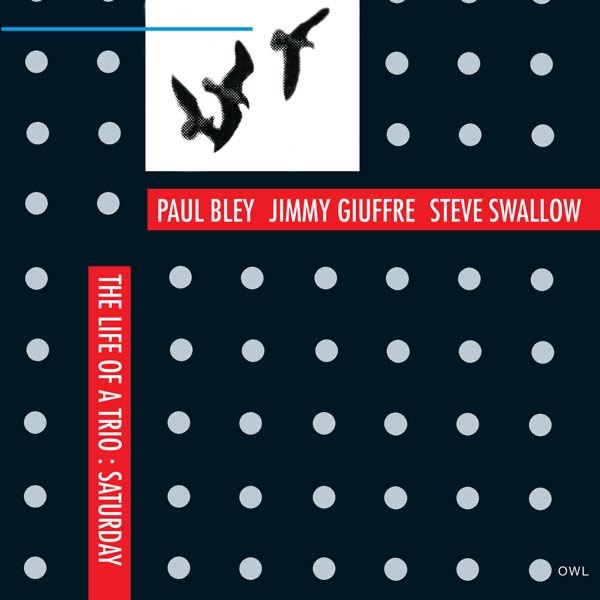
One Year After finds Paul Bley in a quiet mood, working in trio format with minimal fuss and maximum attention to what matters. This isn't Bley the free-jazz experimenter or the fusion-curious pianist of later years — it's Bley as chamber musician, interested in how three voices can create conversation without anybody raising their voice. The album moves at its own pace, which is to say it doesn't rush. Tracks breathe. You notice the silence between phrases as much as the phrases themselves.
What strikes you first is how much space Bley leaves in his playing. He'll state an idea, wait, let it resonate. There's a classical influence here, but not in an academic way — more in the understanding that melody and harmony can speak quietly and still hold your attention. The trio setting forces economy. There's nowhere to hide behind texture or volume, which means every note has to earn its place. Some listeners will find this approach restrained to the point of austerity. Others will hear it as honest. The album isn't trying to dazzle you with technique or movement. It's trying to show you something true about how a small group listens to itself.
If you come to this expecting the fiery, exploratory Bley you might know from free-jazz contexts, you'll need to adjust. This is an early-career record, and it shows Bley working within tradition rather than against it. It's not his most celebrated work, and it won't appeal to everyone. But if you're curious about a pianist thinking clearly about melody and restraint, it's worth the time. The rewards are subtle, which means they last.
Who's playing