The Saxophonist Bowie Called
If you know one thing about Donny McCaslin, it's probably this: he's the guy who played sax on Blackstar (2016), David Bowie's last album, recorded while Bowie was dying and released two days before his death. That record put McCaslin's name in front of millions of people who'd never heard of him, and it's a fair entry point — but it's also a little unfair, because it makes him sound like a session guy who got lucky, when really he'd been building toward exactly that sound for years.
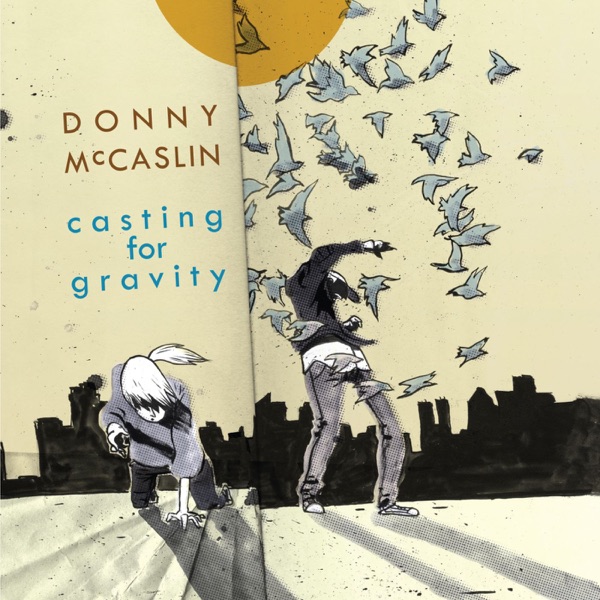
Before Bowie, McCaslin was a serious New York jazz player's jazz player — big warm tenor tone, strong bebop and post-bop credentials, stints with Maria Schneider and Gary Burton, a string of solid straight-ahead-leaning albums on Sunnyside and Greenleaf. Then somewhere around Casting for Gravity (2012) and Fast Future (2015) he started leaning hard into electronics, drum machines, and rock energy, working with keyboardist Jason Lindner and drummer Mark Guiliana. That band — loud, synth-driven, aggressive — is exactly what Bowie heard live at a New York club and decided he wanted for his own record.
What makes McCaslin interesting isn't just that he crossed over into rock circles. It's that his saxophone playing didn't get simpler to fit the electronic textures — if anything it got more intense, all these long, searching, almost overblown lines riding on top of programmed beats. On Blackstar (2016) you can hear him wailing over Bowie's eeriest, most theatrical music and somehow it doesn't sound like a jazz guy slumming in pop. It sounds like the whole point of the song.
After Bowie died, McCaslin made Beyond Now (2016), which folded in Bowie covers alongside his own material, clearly still processing the loss and the experience. He's kept working that fusion lane since, but he's never abandoned the straighter jazz side either — he still shows up on other people's dates playing it more conventionally. That range is really the whole story with him: a guy who paid his dues in the acoustic jazz world for twenty years before a rock star's phone call pushed him somewhere louder, and who turned out to have plenty to say once he got there.
Start with Blackstar (2016) if you want the famous version, but go back to Casting for Gravity (2012) to hear him building this sound on his own terms, before anyone outside jazz circles was paying attention.