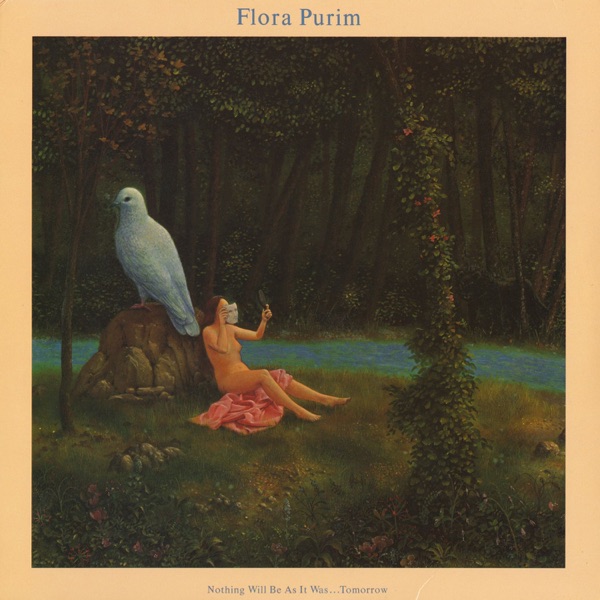
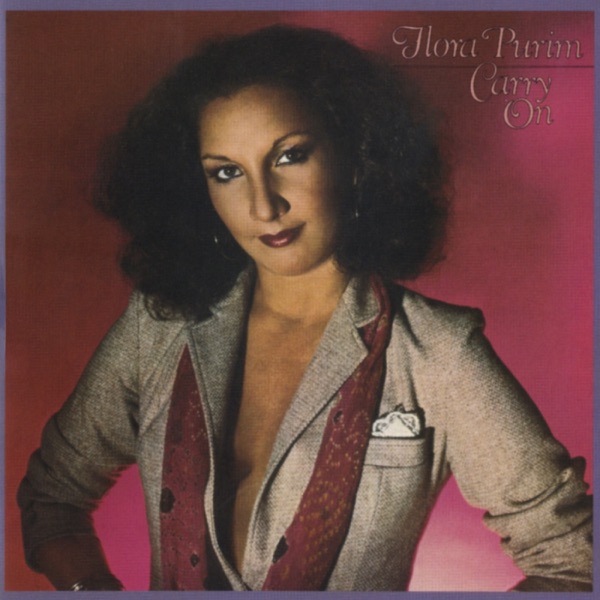
The Voice That Floated Above Everything
If you only know Flora Purim from one track, it's probably "Return to Forever" or "500 Miles High" off Light as a Feather (1972), the Chick Corea record that turned her wordless, weaving vocal lines into something closer to a horn solo than a lyric. That's the thing about Purim — she wasn't interested in telling you a story with words most of the time. She was interested in tone, texture, the way a voice could bend and float over a rhythm section the way a saxophone might. It made her the perfect match for the fusion era, where everyone was looking for new sounds and she just happened to be one.
She grew up in Rio, around musicians, and came to the United States in the late 1960s where she fell in with the loft-jazz and fusion crowd — playing with Stan Getz, then landing in the original lineup of Return to Forever alongside her husband, the percussionist Airto Moreira. That pairing mattered. Airto's polyrhythms and Purim's voice together brought a specifically Brazilian sensibility into American jazz-rock, not as decoration but as the actual foundation of the sound.
Her solo records in the 1970s, especially Butterfly Dreams (1973) and Stories to Tell (1974), are where she really got to stretch. These aren't background records. They're strange, warm, sometimes weirdly beautiful mixes of samba, funk, and improvisation, with Purim scatting and wailing and cooing in ways that don't fit neatly into any one box. She had a three-and-a-half octave range and she used all of it, sometimes in the same phrase.
Her career hit a real setback in the mid-1970s when she served time on a drug charge, and it's a testament to how good she actually was that she came back and kept working, kept touring, kept recording into the 1980s and beyond. She never became a household name outside of jazz circles, and that's fine — she wasn't chasing that. What she left behind is a catalog that proves a voice can do everything a saxophone or a synthesizer can do, if you're not afraid to let it.