George Duke's Electric Heart in Flora's Fusion
Duke's electric piano threads through every track, grounding Purim's vocals in warmth while the horns soar overhead.
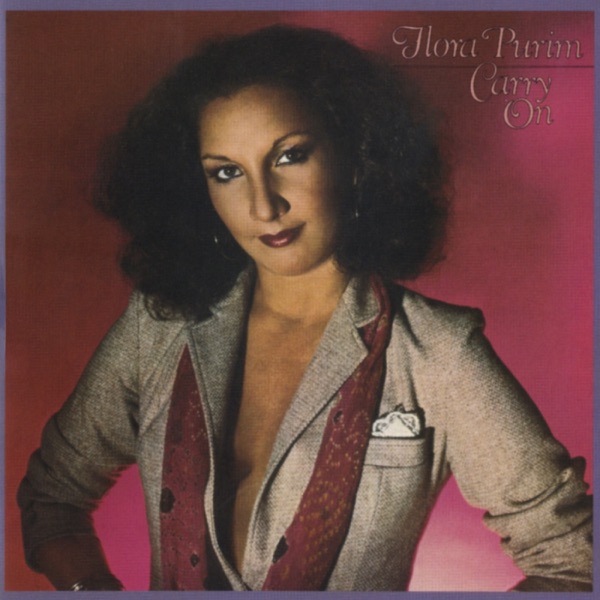
George Duke is the spine of Carry On (1979). He doesn't dominate—Purim's voice is the album's north star—but his electric piano appears on nearly every track, and the texture of his playing shapes everything around it. Duke had already spent years in fusion studios with Cannonball Adderley and Frank Zappa; by 1979 he knew exactly how to sit behind a vocalist without getting in the way, how to leave room for horns, how to push gently when needed. On tracks where the band leans toward the lyrical, Duke's touch is almost orchestral, building depth. When things get funkier, he locks into a groove that reminds you fusion was always about feel first, technique second.
The band around Purim is stacked—Joe Farrell on soprano saxophone, Raul de Souza on trombone, Ricky Lawson and Leon Ndugu Chancler sharing drum duties, Airto Moreira on percussion—but it's Duke who creates the album's internal balance. Without a heavy-handed producer forcing a sound, the ensemble breathes. Purim's scat-singing and her more straightforward vocal moments have space to exist. The arrangements don't compete; they support.
This is a solidly crafted fusion record from the tail end of that era's commercial peak, not revolutionary but genuinely engaging. If you know Purim from her Return to Forever work with Chick Corea, this is worth hearing as a different angle on her artistry—more grounded in soul and groove, less abstractly experimental. For newcomers to her voice, it's a better entry point than the avant-garde sessions, and Duke's presence makes sure the whole thing holds together.
Who's playing
Byron Millerbass
Keith Jonesbass
George Dukeelectric piano
David Myleselectric guitar
Michael Sembelloacoustic guitar
Joe Farrellsoprano saxophone
Larry Williamsalto saxophone, flute, piccolo
Raul de Souzatrombone
Bill Reichenbach, Jr.trombone
Greg Phillinganesmelodica, synthesizer
Bobby Lylesynthesizer
Ricky Lawsondrums
Leon Ndugu Chanclerdrums
Airto Moreirapercussion, tambourine
Laudir de Oliveiracongas
Fred Flecktalking drum
Sheila E.timbales
Lynn Davisfinger snaps
Flora Purimfinger snaps
Where next?
More by Flora Purim
All 27 albums →


The musicians on this record

A Brazilian Love Affair 1980
George Duke
plays electric piano here
plays electric piano here
♫
Touching You...Touching Me 1979
Airto Moreira
plays percussion here
plays percussion here


