1973 · Album
Butterfly Dreams
Recorded December 1973 · Fantasy Studios, Berkeley, California · Milestone Records

Voice and Rhythm Converge at Fantasy
Purim's voice cuts through lush arrangements with absolute clarity, backed by some of the finest session players of the era.
In December 1973, Flora Purim walked into Fantasy Studios in Berkeley with a band that knew exactly what to do. Stanley Clarke anchored the low end on bass, Airto Moreira wove percussion textures that ranged from subtle to explosive, and George Duke colored everything with synthesizer — a relatively fresh sound in jazz at that moment. Joe Henderson brought his flute, David Amaro added acoustic guitar, and Ernest Hood contributed zither, an instrument that gave the record an unexpectedly textured warmth. The session was designed to showcase what Purim could do: sing with precision over intricate rhythmic beds, navigate complex time signatures, and deliver lyrics with the same fluidity her voice brought to wordless passages.
Butterfly Dreams succeeded because nobody oversold it. The arrangements breathe. Purim's voice never disappears into the mix; if anything, the band exists to let her move freely across it. Some tracks lean into Latin and Brazilian influences, others feel closer to fusion, but nothing jars. Jim Newsom of AllMusic caught what mattered: this album delivered exactly what her earlier work with Chick Corea had promised. It became a high point in her discography — not a debut flourish or a late comeback, but the moment when her instincts and her ensemble were perfectly aligned.
For listeners unfamiliar with Purim, this is the place to start. For those who've heard her other work, it sits alongside her debut as essential. The record wasn't a commercial juggernaut, but serious listeners and musicians took notice. The synthesizer, the zither, the interplay between her voice and Clarke's bass — these choices felt modern without sounding dated.
Who's playing
Stanley Clarkebass
David Amaroacoustic guitar
Joe Hendersonflute
George Dukesynthesizer
Airto Moreirapercussion
Ernest Hoodzither
Where next?
More by Flora Purim
All 27 albums →


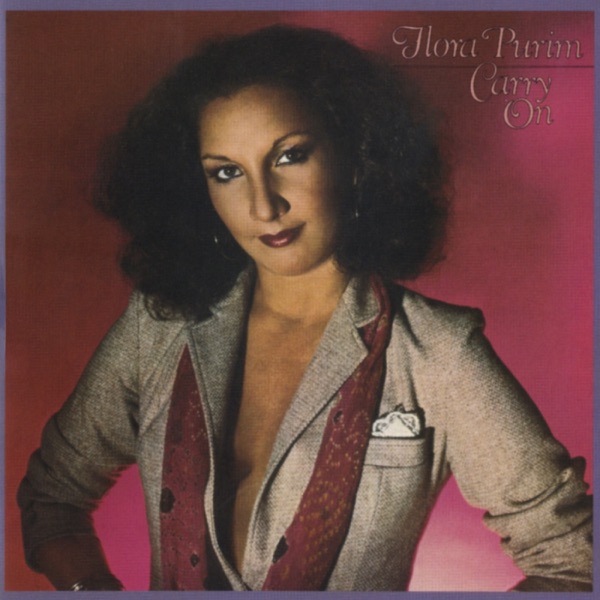
The musicians on this record
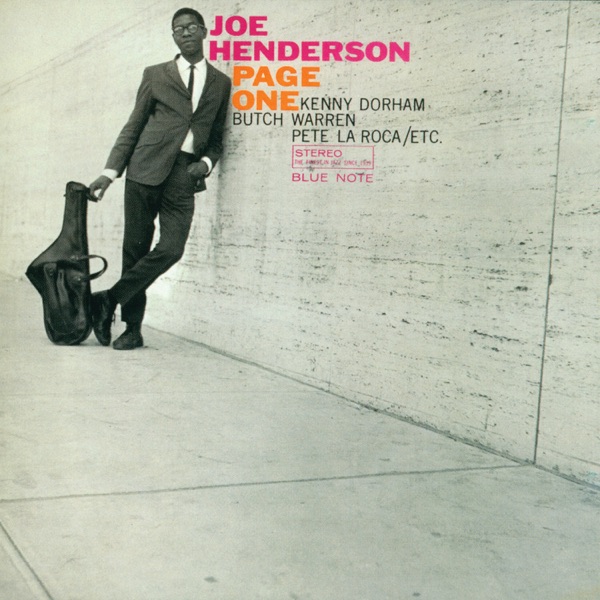
Page One 1963
Joe Henderson
plays flute here
plays flute here
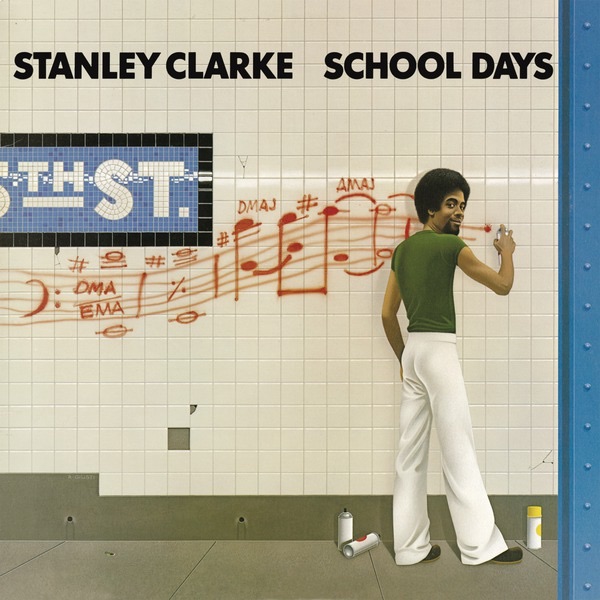
School Days 1976
Stanley Clarke
plays bass here
plays bass here

The Aura Will Prevail 1975
George Duke
plays synthesizer here
plays synthesizer here
♫
Virgin Land 1974
Airto Moreira
plays percussion here
plays percussion here


