
A Singer's Range Across Languages and Moods
Purim moves from wordless vocal soaring to lyrics in English and Portuguese, ballads to percussion-driven workouts.
Stories to Tell opens with a sense of ease and natural movement. You hear Flora Purim's voice first — sometimes pure and lyrical, sometimes split into layered harmonies, sometimes abandoned entirely for pure instrumental color. The band breathes around her: Airto Moreira on percussion, George Duke on synthesizer, Miroslav Vitouš on bass and synth, all of them responding to where her voice goes rather than dictating the terms. It's a vocalist's album, which means it's also a musicians' album — the arrangements make space.
Purim had spent years as a featured vocalist in fusion and jazz contexts, and by 1974 she knew exactly what she wanted to do. This record lets her move freely between idioms. There are up-tempo percussion-driven pieces where the rhythm section locks tight and everyone flies. There are ballads with just acoustic guitar — Earl Klugh or Oscar Castro-Neves — where her voice becomes the only real instrument. She sings in Portuguese, in English, wordlessly. The album doesn't need to resolve those choices into a single identity because the point is her ability to inhabit each one completely.
AllMusic reviewer Jim Newsom gave it four stars, and the assessment fits: this is Purim doing what she'd proven she could do, with musicians who understood how to support rather than overshadow. It's solid, confident work from early in her solo career — not a departure, not an experiment, but a statement of what a vocalist could accomplish when given real collaborators and real freedom.
Who's playing
Miroslav Vitoušbass, synthesizer
Ron Carterbass
Larry Dunlappiano
Earl Klughguitar
Oscar Castro‐Nevesacoustic guitar
George Bohanontrombone
Hadley Calimanalto flute, flute, trombone
Raul de Souzatrombone
George Dukesynthesizer
Airto Moreirapercussion
King Errissoncongas
Oscar Brashearflugelhorn
Ernest Hoodzither
Where next?
More by Flora Purim
All 27 albums →


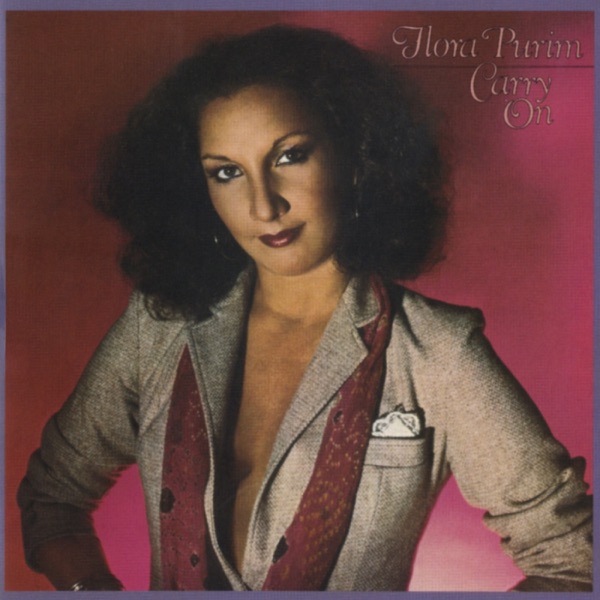
The musicians on this record

The Aura Will Prevail 1975
George Duke
plays synthesizer here
plays synthesizer here
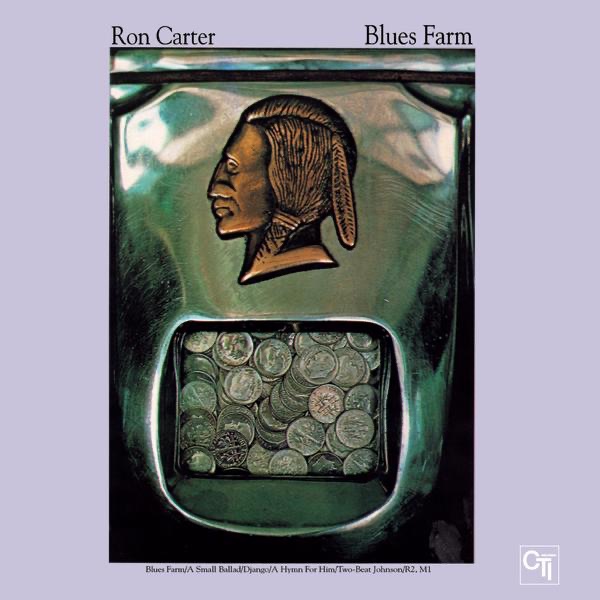
Blues Farm 1973
Ron Carter
plays bass here
plays bass here
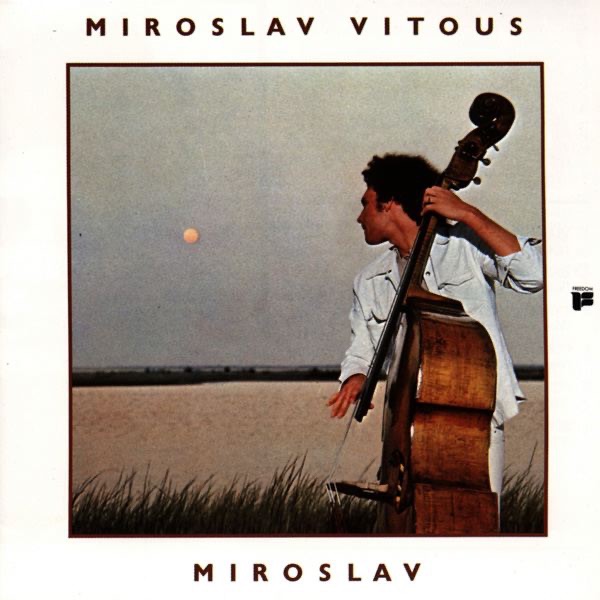
Miroslav 1977
Miroslav Vitous
plays bass here
plays bass here
♫
Virgin Land 1974
Airto Moreira
plays percussion here
plays percussion here


