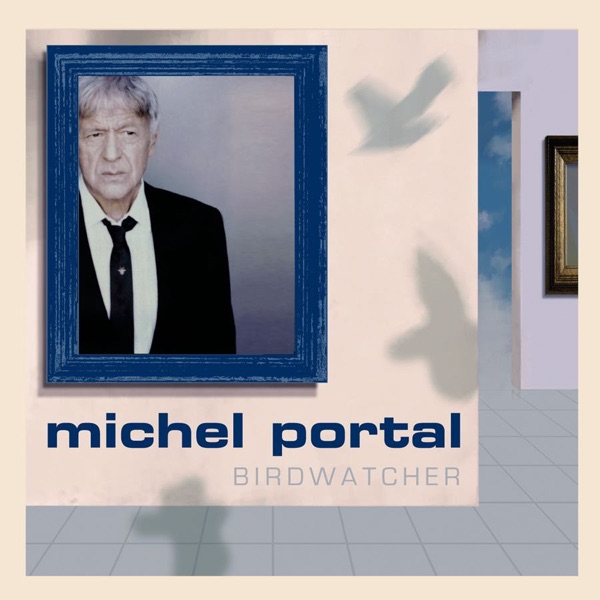
The Clarinet That Refused to Sit Still
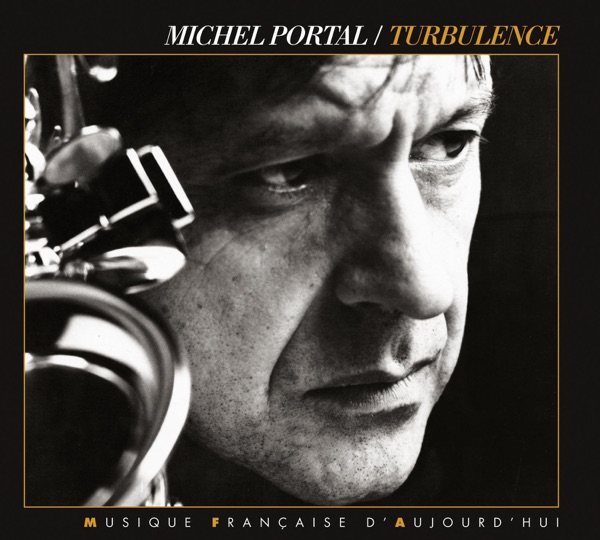
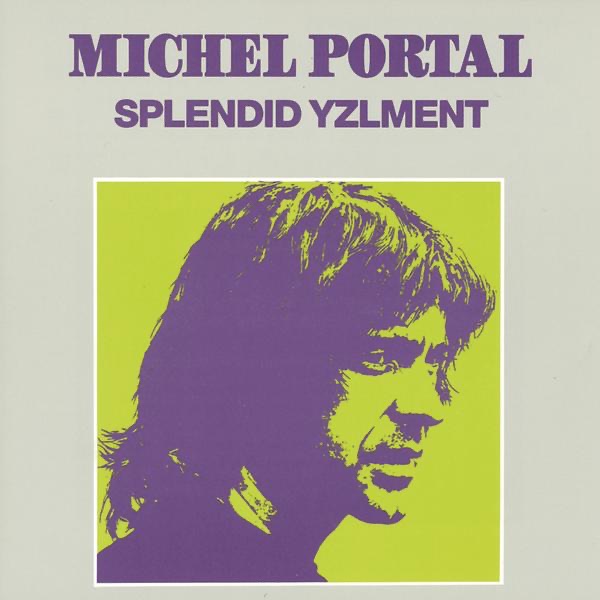
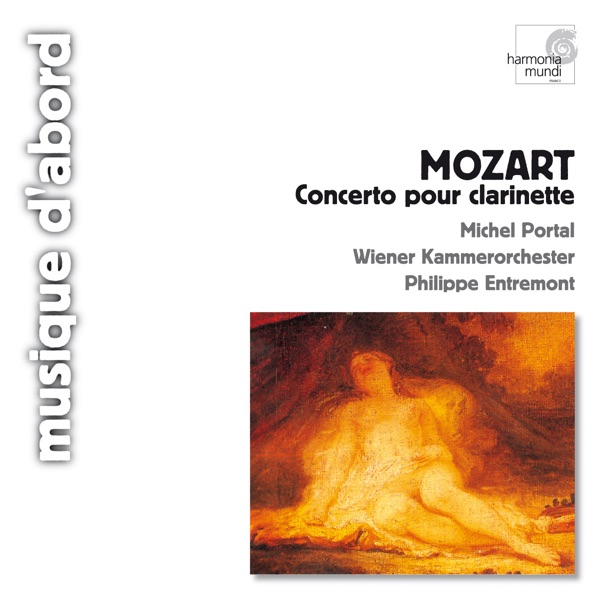
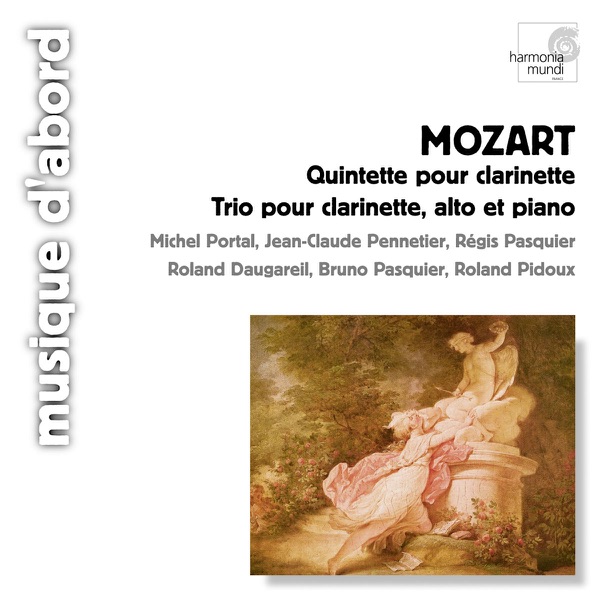
Michel Portal started out as a classical prodigy, the kind of kid who wins prizes at the Paris Conservatoire and gets tapped by composers like Pierre Boulez and Karlheinz Stockhausen to premiere their new pieces. That alone would be a full career for most players. But somewhere along the way Portal got curious about jazz, and once he got a taste of improvising he never really stopped chasing it, even while he kept one foot planted firmly in the concert hall.
What makes him interesting is that he never picked a lane. In the late 1960s and into the 1970s he was deep in the European free jazz scene, playing with the kind of intensity that had nothing to do with swing or changes and everything to do with pure sound and nerve. He co-founded New Phonic Art with percussionist Jean-Pierre Drouet and trombonist Vinko Globokar, a group that treated improvisation almost like a lab experiment. At the same time he was scoring films for French directors, writing music that had to serve a story rather than just his own instincts, which is a very different muscle to use.
His instrument of choice was the bass clarinet as much as the standard clarinet, and he had that rare ability to make it sound both woody and warm and completely unhinged in the same phrase. He also played saxophone and, later in his career, bandoneon, which tells you something about a musician who never stopped picking up new things to say what he wanted to say. On record you can hear him with Bill Frisell and Kenny Wollesen on Minneapolis (2008), a set that leans more melodic and open than his wilder free jazz days, or reaching further back to hear him alongside French contemporaries like Bernard Lubat and Aldo Romano, who were building their own vocabulary for French jazz rather than just importing the American one.
He's not a household name outside France and serious jazz circles, and that's partly because his output is so scattered across genres that it resists a tidy narrative. But if you want to understand how European jazz musicians made room for themselves alongside American giants, without simply copying them, Portal is one of the clearest examples. He built a career out of refusing to specialize, and somehow that refusal became its own signature.