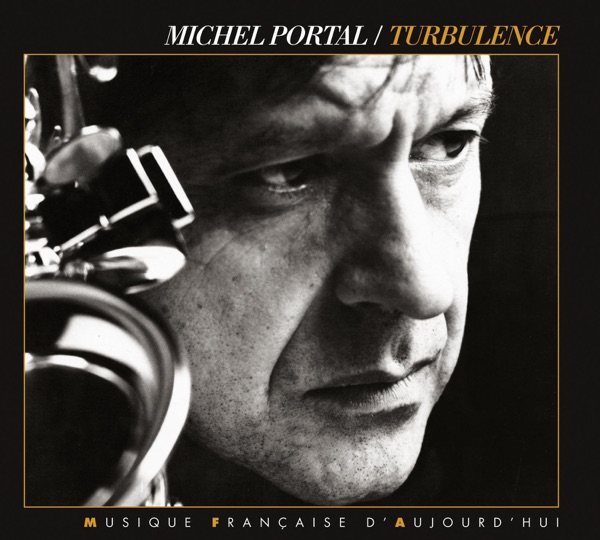
Portal's Ensemble at Peak Turbulence
Portal assembled a restless group of French improvisers who treated the studio as a playground for texture and collision.
Michel Portal came to this session with an unusually large ensemble for a saxophonist's date — a deliberate choice that shaped everything about the sound. The group included Jean-François Jenny-Clark on bass, Yannick Top on bass guitar, and a pair of drummers in Daniel Humair and André Ceccarelli, which immediately created rhythmic density and unpredictability rather than lock-in groove. Add the two synthesizer players Andy Emler and Bernard Lubat, plus Harry Pepl and Claude Barthélemy on guitar, and you have an instrument count that could easily turn muddy. Instead, the ensemble found clarity through constant motion — pieces that shift colors, instruments dropping in and out, soloists emerging from the thick of things rather than standing apart from them.
Portal himself navigates three saxophones across these tracks: baritone, bass clarinet, and sopranino, switching tools to match the texture each piece demanded. He's not the voice running through everything; Richard Galliano's accordion and the guitarists stake equal claim to the melody space. This is ensemble playing where no one instrument dominates, which is rarer in jazz than it sounds. The percussion from Cinelu creates odd accents and colors — not timekeeping, but atmospheric intervention. The result feels live and slightly chaotic in the best way, like the band is learning what it sounds like in real time.
Turbulence sits apart from Portal's more lyrical work. This isn't about the beauty of a single horn; it's about voices colliding in a crowded room, each one insisting on its own idea while somehow not canceling the others out. For listeners used to cleaner ensemble records, it takes adjustment. For anyone interested in how French improvisation sounded in the 1980s — restless, textural, eager to break from American models — this is direct evidence.
Who's playing
Michel Portalbaritone saxophone, bass clarinet, sopranino saxophone
Jean-François Jenny-Clarkdouble bass
Yannick Topbass guitar
Harry Peplguitar
Claude Barthélemyguitar
Andy Emlersynthesizer
Bernard Lubatsynthesizer
Mino Cinelupercussion
Daniel Humairmembranophone
André Ceccarellimembranophone
Richard Gallianoaccordion
Where next?


The musicians on this record
Their own records, close in time


