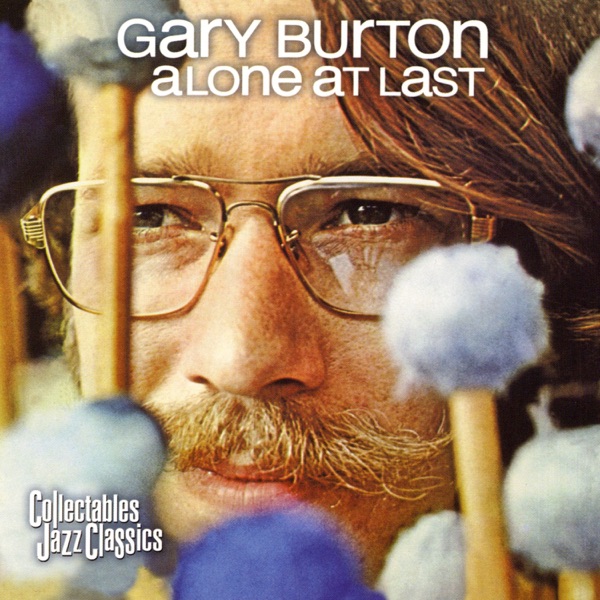
Two Quiet Voices in Conversation
Both musicians are open to folk melodies and generally quiet improvisers, making this a logical matchup.
From the first moments, Matchbook settles into a hushed intimacy—guitar and vibraphone trading phrases with the restraint of two musicians who understand that silence matters as much as sound. Ralph Towner and Gary Burton recorded this over two days in July 1974, and there's no rush to the music. The textures are spare and considered, the tempos mostly moderate, the overall mood reflective rather than showy. Neither player is interested in displays of technique for their own sake. Instead, they explore folk-inflected melodies and gentle harmonic spaces, letting the resonance of Burton's vibraphone blend with Towner's fingerpicked guitar lines.
The pairing works because both musicians share similar sensibilities—they're comfortable with quietness, with uncluttered arrangements, with the idea that less can mean more. AllMusic reviewer Scott Yanow recognized this logical alignment while offering a fair critique: the album is fine, he wrote, but would benefit from more variety in tempo and mood. It's a reasonable observation. What Matchbook gains in coherence and atmosphere, it sacrifices slightly in dynamic range. The record sustains a single emotional register across its length.
For listeners coming to either artist's work, this isn't the obvious starting point. Towner had already established himself as a distinctive voice, and Burton's vibraphonic vocabulary was well developed by this time. But Matchbook captures something genuine about two improvisers listening carefully to each other, working within self-imposed constraints, finding satisfaction in conversation rather than confrontation.
Who's playing
Ralph Townerguitar
Gary Burtonvibraphone
Where next?
More by Gary Burton
All 42 albums →