1971 · Album
Alone at Last
Recorded 1971 (Montreux Jazz Festival and studio sessions) · Atlantic · Grammy Award: Best Jazz Performance by a Soloist, 15th Grammy Awards
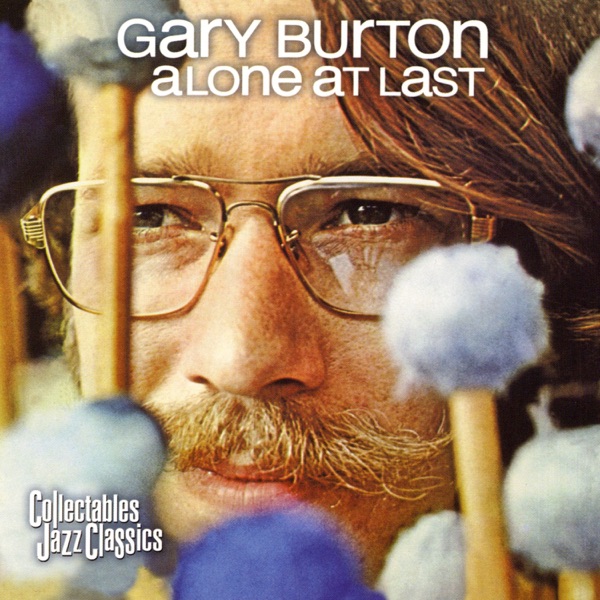
Solitude as Conversation: Gary Burton Alone
Burton proves the vibraphone doesn't need a band to breathe—it needs a player who listens to silence.
The first thing that hits you is the space. No drums. No bass anchoring the bottom. Just the vibraphone ringing out in that particular way Burton gets it to ring—not precious, not academic, but warm and almost conversational. He moves between vibraphone, piano, and organ across these seven tracks, recorded partly live at Montreux in 1971 and partly in the studio, and what emerges is less a showcase and more an invitation to sit with him while he thinks. The tempos are patient. The touch is sensitive. You hear him breathing between phrases.
This is Burton's first solo album, and it matters because it answers a question many musicians never ask themselves: what happens when you remove everything but yourself? Most players panic. Burton doesn't. Instead, he builds little worlds—the piano passages are meditative, the vibraphone work is lyrical without being sentimental, and when the organ enters, it anchors things without dominating. AllMusic reviewer Scott Yanow called it "one of the high points of Gary Burton's career... Wondrous music," and that landing is earned. The Penguin Guide awarded it a perfect four stars. By 1972, when it was released on Atlantic, Burton had already established himself as a serious musician. This album proved he had something else: the confidence to trust his own voice without arrangement or accompaniment to hide behind. It won a Grammy for Best Jazz Performance by a Soloist at the 15th Grammy Awards—recognition that stuck because the album genuinely deserves it.
Who's playing
Gary Burtonvibraphone


