2006 · Album
Industrial Zen
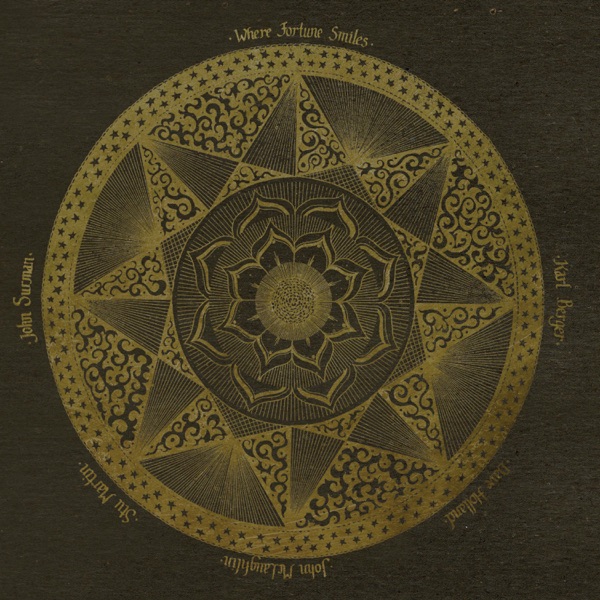
Recorded 2006 · Verve Records · Produced by John McLaughlin · Released: 22 May 2006

Reinvention as Clarity
McLaughlin proved his restless ear remained wide open, creating something genuinely his own.
Industrial Zen arrived as McLaughlin's statement that he wasn't finished reinventing himself. Coming after Thieves and Poets (2003), this album marked a deliberate shift toward ambition on his own terms—not fusion in the mode of his earlier work, but something more deliberately constructed. He assembled collaborators including vocalist Shankar Mahadevan, saxophonist Bill Evans, and tabla player Zakir Hussain, then wrote and produced all eight tracks himself, which meant every choice was intentional.
Musically, the record sits in electric jazz fusion territory but with a focus that earlier McLaughlin albums sometimes lacked. The tabla, drums, keyboards, electric bass, and Evans's horn work create textures that feel both composed and exploratory—disciplined rather than sprawling. Critic John Kelman heard it as a "perfect confluence of McLaughlin's divergent interests," and he wasn't wrong. This is McLaughlin at a point in his career where he could synthesize decades of restless musical curiosity into something coherent without losing the experimental drive.
It's worth noting this isn't a return to his peak or a farewell album. It's simply a solid, focused record from an artist who remained genuinely engaged with the question of what jazz could sound like. For listeners already familiar with McLaughlin's range, it's a worthwhile listen. For newcomers, you'd be better served starting with his electric work from the 1970s first—this one assumes you already care about his trajectory.
Who's playing
Hadrien Féraudbass guitar
Tony Greybass guitar
Matthew Garrisonbass guitar
John McLaughlinguitar
Eric Johnsonguitar
Bill Evanssopranino saxophone
Ada Rovattisopranino saxophone
Otmaro Ruizsynthesizer
Gary Husbanddrums
Mark Mondesirdrums
Vinnie Colaiutadrums
Dennis Chambersdrums
Zakir Hussaintabla
Where next?
More by John McLaughlin
All 33 albums →


The musicians on this record

Portrait in Jazz 1960
Bill Evans
plays sopranino saxophone here
plays sopranino saxophone here

Making Music 1987
Zakir Hussain
plays tabla here
plays tabla here


