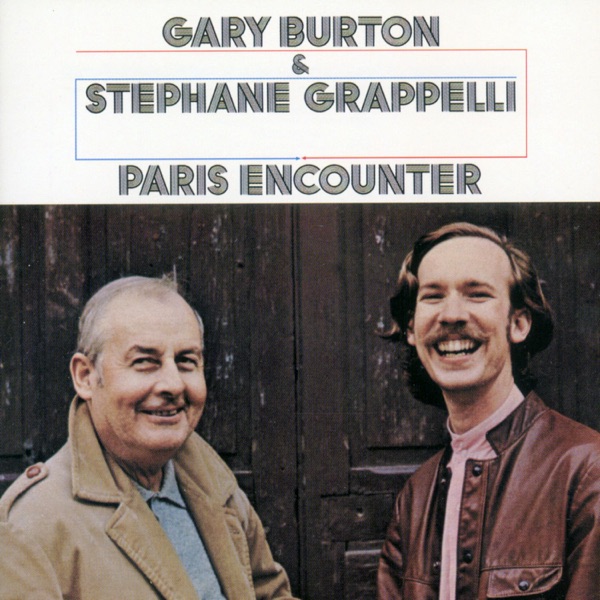
When Grappelli Met Burton Across Decades
Two musicians from different eras found unexpected common ground in Paris, proving age was irrelevant.
What makes Paris Encounter (1969) distinctive is the unlikely partnership at its center: Stéphane Grappelli, the violinist who had been making music for decades before vibraphonist Gary Burton was even born. By 1969, Grappelli was already a legend, a figure from the golden age of swing, while Burton represented something newer — the vibraphonist had brought his instrument into contemporary jazz conversation with a technical command and harmonic sophistication that few could match. The 35-year gap between them could have been a problem. Instead, it became the album's strength.
What AllMusic reviewer Scott Yanow heard was flexibility from both men. Grappelli didn't retreat into nostalgia, and Burton didn't condescend to a elder statesman. They met somewhere in between, finding musical language both could speak fluently. This wasn't Burton playing respectfully behind a legend, nor Grappelli struggling to keep up with modern changes. The set lives up to its title — an actual encounter, two musicians solving problems together in real time. The Penguin Guide to Jazz Recordings awarded it 3.5 stars out of 4, recognizing the album as frequently delightful.
For Burton's catalog, this sits as a curio rather than a cornerstone. He would record many albums across his long career, but Paris Encounter captures something specific: proof that jazz's generational divides were more flexible than anyone pretended, that a musician willing to listen could find common ground across any gap.
Who's playing
Steve Swallowelectric bass guitar
Gary Burtonvibraphone
Bill Goodwinmembranophone
Stéphane Grappelliviolin
Where next?
More by Gary Burton
All 42 albums →
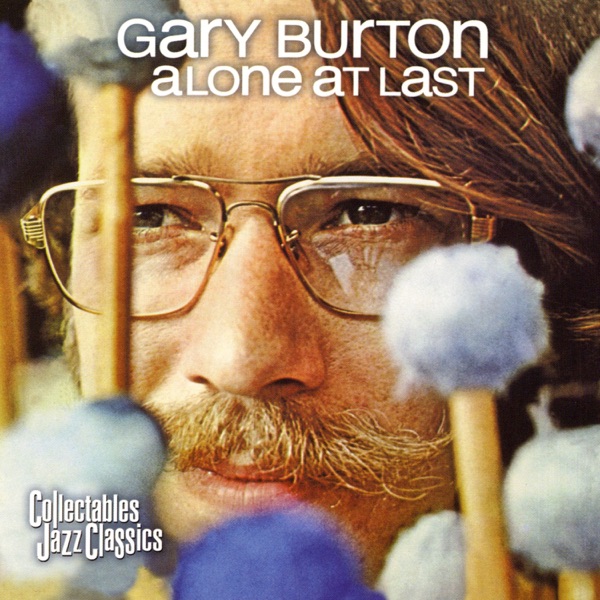


The musicians on this record

I Remember Django 1970
Stéphane Grappelli
plays violin here
plays violin here

Home 1980
Steve Swallow
plays electric bass guitar here
plays electric bass guitar here


