The Violin That Could Swing
Most people who pick up the violin are pointed toward classical music almost immediately. Grappelli came up in Paris in the 1920s and found his own way into jazz by listening to American recordings and figuring out how to apply that feeling to his instrument. He was largely self-taught on violin, which probably helped — there were fewer bad habits to unlearn, and no conservatory teacher telling him it couldn't be done that way.
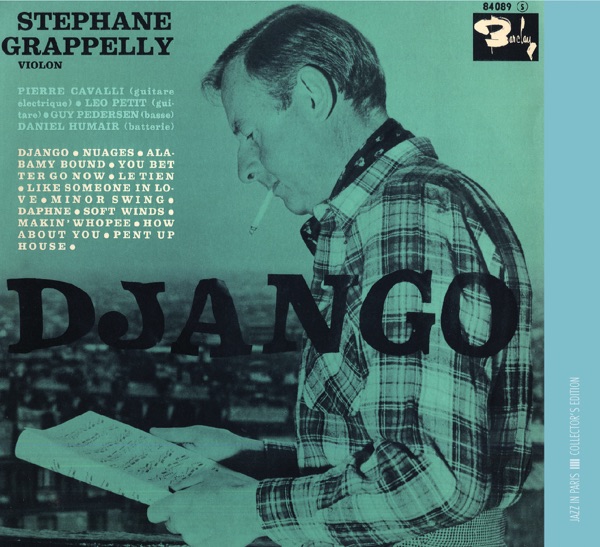
The Hot Club Quintet he formed with Django Reinhardt in the mid-1930s was genuinely unusual. No drums, no brass, no piano — just guitars, bass, and Grappelli's violin. The sound they got was completely their own. Django's playing was explosive and strange, full of chromatic runs and gypsy inflections, and Grappelli's role was to provide melodic elegance and swing on top. Listen to Djangology (1949) and you get a sense of how well they balanced each other. Django could be unpredictable; Grappelli was always in control.
World War II split them apart — Grappelli was in London when the Germans invaded France and stayed there for the duration. He spent those years playing hotel gigs and keeping himself sharp, while Django went back to Paris and navigated the occupation in his own complicated way. When they reunited after the war it was warm, but the chemistry had shifted. Django was chasing bebop by then, and Grappelli remained committed to the swing idiom he'd helped invent. They were never quite the same partnership again.
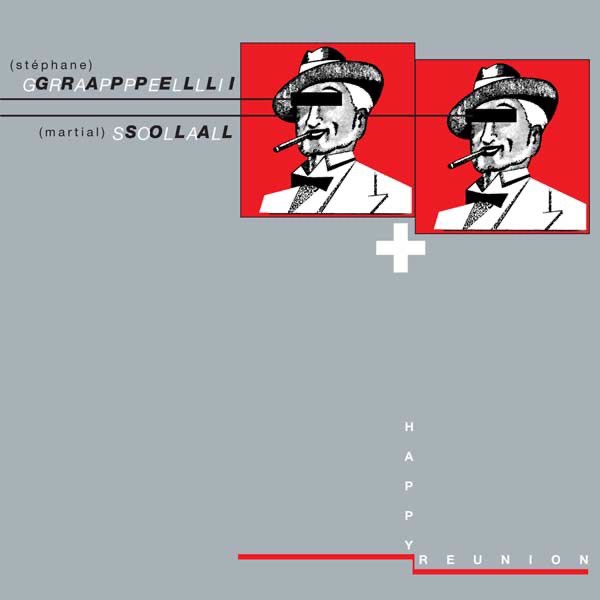
After Django died in 1953, Grappelli could have faded into nostalgia act territory. Instead he had a genuine second career. A series of duet recordings with Yehudi Menuhin in the 1970s brought him to a completely new audience — classical listeners who hadn't paid attention before. Around the same time he started working regularly with younger jazz musicians like Joe Pass and Martial Solal, and those records hold up well. Parisian Thoroughfare (1973) with Martial Solal is one of his sharpest outings from that period.
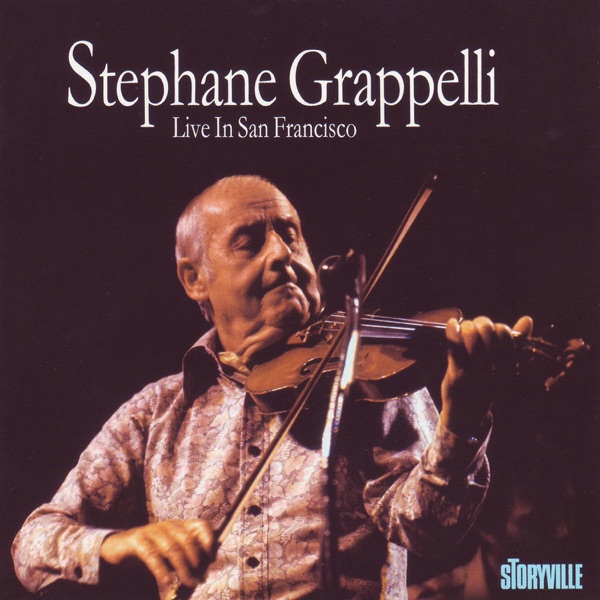
What you notice listening to Grappelli is how conversational his playing is. He never sounds like he's trying to dazzle you — even when he's doing something technically demanding, the effect is relaxed and melodic. He phrases like a singer, with natural breath and space. That's rarer than it sounds on any instrument, and on violin in a jazz context it's almost singular. Put on almost anything he made and within thirty seconds you know exactly who it is.