1979 · Album
Skol
Recorded Live, 1979 · Pablo Records · Personnel: Oscar Peterson (piano), Stéphane Grappelli (violin), with rhythm section

Two Masters Trading Stories Live
Peterson and Grappelli push each other across standards, neither willing to settle for comfort.
Skol arrived in 1979 when both Oscar Peterson and Stéphane Grappelli were well past their commercial peak, yet critics paid attention. AllMusic gave it four stars, and the Penguin Guide rated it strongly — recognition that mattered to the jazz audience still paying attention to these players. This was not a nostalgia project or a legacy statement, but a genuine meeting between two improvisers who still had something to prove to each other.
The album captures a live encounter where neither musician defers. Peterson's piano driving forward in trio format while Grappelli's violin responds with the same restless energy. On standards, they negotiate space and momentum — sometimes Peterson sets the tempo and Grappelli responds, sometimes Grappelli states the melody and Peterson refuses to simply comp underneath. There is no conductor or predetermined arrangement; they are listening and reacting in real time.
Skol belongs to Peterson's later work, after his most celebrated Blue Note years, but it shows why he remained essential. He was not trying to recapture 1960s form; he was working at full intelligence with a peer who could match his harmonic thinking. Grappelli, too, sounds engaged rather than ceremonial. This is primarily for listeners already committed to both musicians, but it rewards that commitment completely.
Who's playing
Niels‐Henning Ørsted Pedersendouble bass
Oscar Petersonpiano
Joe Passguitar
Mickey Rokerdrums
Stéphane Grappelliviolin
Where next?
More by Stéphane Grappelli
All 33 albums →

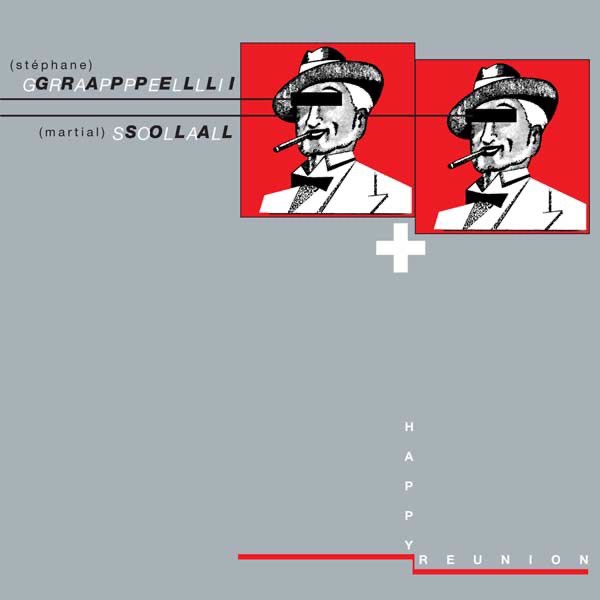

The musicians on this record

Night Train 1963
Oscar Peterson
plays piano here
plays piano here
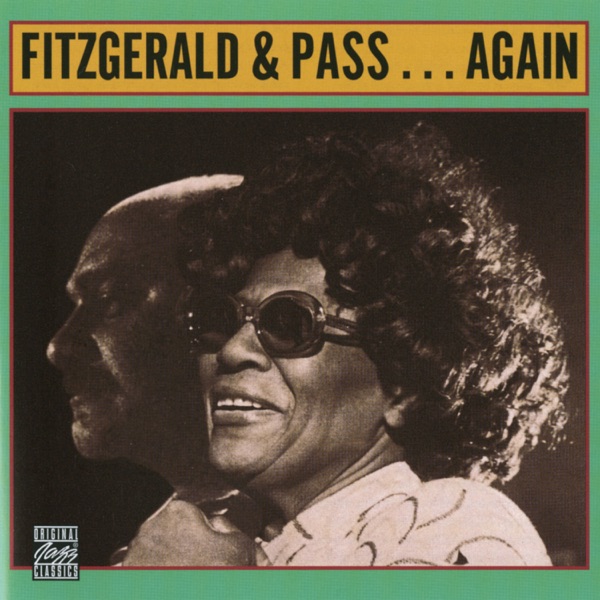
Fitzgerald and Pass… Again 1976
Joe Pass
plays guitar here
plays guitar here

