1974 · Album
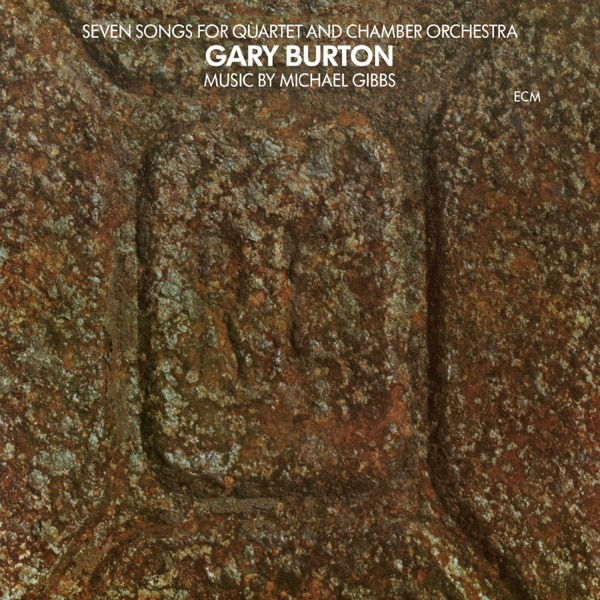
Seven Songs for Quartet and Chamber Orchestra
Recorded December 1973 · ECM · Composer/Arranger: Michael Gibbs (composed most of the music)
Vibraphone and strings in restrained conversation
Gibbs orchestrates space around Burton's vibraphone rather than filling it.
What strikes you first is the restraint. Gary Burton's vibraphone sits in a room with the NDR Symphony Orchestra, and instead of drowning in strings, it breathes. Michael Gibbs composed most of these pieces with a deliberate sense of air—the orchestra doesn't swell to meet the quartet, it hangs back, comments, creates texture. The rhythm section of Mick Goodrick, Steve Swallow, and Ted Seibs holds a tight pocket, almost chamber-like in its intimacy, while the orchestra moves in gentle counterpoint. It's orchestral jazz without the bombast, closer to the sound of film scoring or ballet accompaniment than to the big-band arrangements you might expect.
Recorded in December 1973 and released on ECM the following August, this sits oddly in Burton's catalog—not quite his established trio sound, not quite a full orchestral showcase. It's a controlled experiment, and Gibbs's compositional hand is felt in every arrangement. The vibraphone never dominates; it negotiates. The result is elegant but cool, sometimes to the point of feeling distant. This isn't an album that grabs you immediately. It requires a listener willing to sit with subtlety, to notice what isn't being played as much as what is.
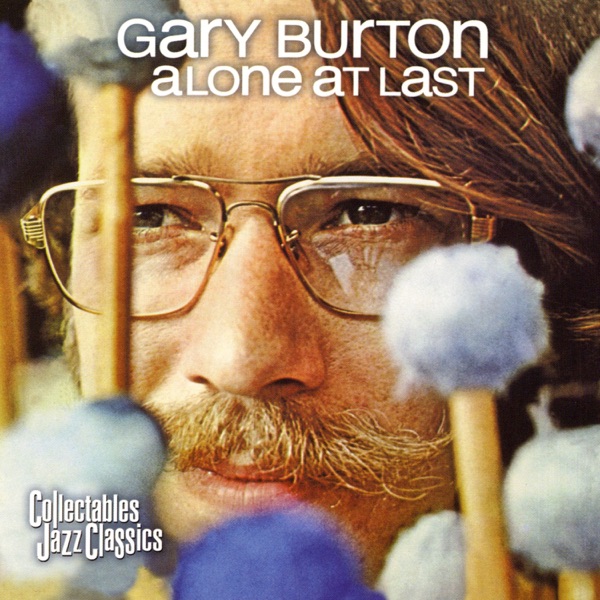
For Burton enthusiasts, it's a valuable detour—evidence of his willingness to work inside compositional frameworks beyond trio improvisation. For casual listeners, it's harder to recommend as an entry point. Start instead with something like Alone at Last (1971) to understand what makes Burton's vibraphone voice distinctive before hearing it filtered through Gibbs's orchestral lens.
Who's playing
Where next?
More by Gary Burton
All 42 albums →