1991 · Album
Right Time - Right Place
Recorded 1990 in Denmark · GNP Crescendo · Produced by Not specified in available sources

Two Voices in a Danish Room
Burton and Bley trade the lead without fanfare, each taking space to think and explore alone.
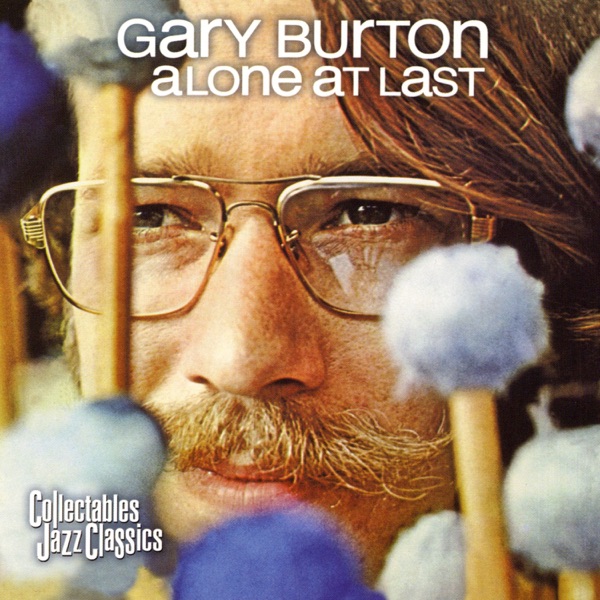
In Denmark, Gary Burton and Paul Bley sat down to make a record that would be quiet by design. No rhythm section, no safety net—just vibraphone and piano, six duets, and three unaccompanied features for each player. The choice to record this way shaped everything that followed. Without drums or bass to push the conversation forward, Burton and Bley had to listen harder, trust each other more, and accept long silences as part of the music.
What landed on tape reflects that constraint. Scott Yanow of AllMusic heard it clearly: "On their six duets, Burton and Bley do not take turns soloing per se as much as alternate being the lead voice." The album moves between moments where one player steps forward while the other provides texture, then shifts. Their solo features—introspective, exploratory—sit in the same mood as the duets, which keeps the whole record feeling of a piece rather than scattered. Brian Glasser in Q Magazine found it "a pleasing mix of well and lesser-known material," and that balance matters. Familiar tunes anchor the session; deeper cuts let both musicians breathe room to surprise themselves.
This sits apart from Burton's more swinging small-group work and Bley's electric phase. Right Time, Right Place (1990) is a chamber record, which means it will feel slow or sparse to listeners expecting energy or conventional groove. It's the kind of album that asks you to come to it rather than leap out to meet you. For those willing to settle in, it offers genuine thought and genuine listening.