1986 · Album
Libertango: The Music of Astor Piazzolla
Recorded 1986 · Concord Jazz · Produced by Carl Jefferson

Burton Tangos with Piazzolla's Revolutionary Spirit
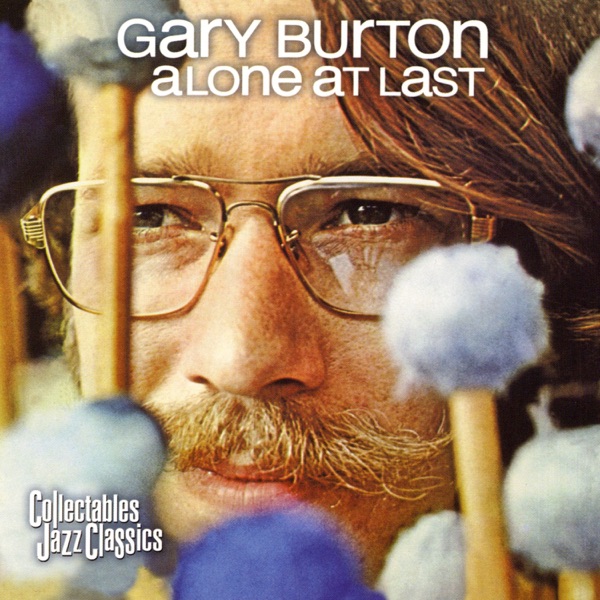
Gary Burton heard in Piazzolla what few jazz musicians grasped: a kindred modernist willing to break tradition entirely.
When Gary Burton approached Astor Piazzolla's music, he brought the same restless curiosity that had made him a force in jazz fusion. Piazzolla, described by critic Stephen Holden as the world's foremost composer of tango music, had spent decades dismantling the genre from within, grafting jazz and classical idioms onto tango's skeleton until something entirely new emerged. Burton recognized himself in that impulse—both men were virtuosos of their instruments who refused to be contained by tradition.
The album pairs Burton's vibraphone with Piazzolla's compositional language through two pianos and strings, creating textures that feel simultaneously elegant and exploratory. Nicolás Ledesma and Pablo Ziegler handle the keyboard work with precision, while Fernando Suárez Paz on violin and Horacio Malvicino on guitar anchor the sound in tango's DNA even as it stretches toward something more abstract. Héctor Console provides the harmonic foundation that lets everything else float. This is not a jazz musician playing tango songs; it's two modernists recognizing each other across genre lines.
For listeners new to either artist, this album works as an entry point precisely because it refuses orthodoxy. Burton doesn't swing the tango into jazz submission, and the ensemble doesn't museum-ify Piazzolla into art music. Instead, both sensibilities occupy the same space, each respecting the other's logic. The result sits apart from Burton's main body of jazz work—neither a detour nor a statement of principle, simply a moment where two musical languages found they had more in common than anyone expected.
Who's playing
Héctor Consolebass
Pablo Zieglerpiano
Nicolás Ledesmapiano
Horacio Malvicinoguitar
Gary Burtonvibraphone
Marcelo Nisinmanbandoneón
Fernando Suárez Pazviolin