1962 · Album
Takin' Off
Recorded May 1962 · Blue Note Records · Produced by Alfred Lion
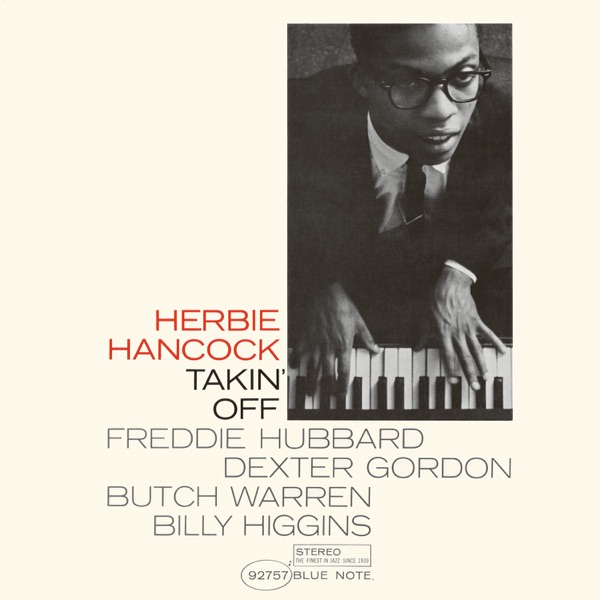
A Young Pianist Finds His Voice
Hancock's debut announces a complete musician, confident and curious, ready to reshape modern jazz.
When Herbie Hancock walked into the studio to record Takin' Off (1962), he was a young pianist with serious credentials but no real identity yet. What emerged was something more focused and deliberate than his earlier session work. This record doesn't sound like a kid trying everything at once. It sounds like someone who already knows what jazz piano can do and wants to do it his own way.
The best moments here aren't the flashy ones. "Maiden Voyage" is the track everyone mentions, and there's a reason—it's genuinely beautiful, with Hancock playing sparse, thoughtful chords over a rhythm section that barely moves. Dexter Gordon plays tenor saxophone on several tracks and brings a grounded, conversational tone that keeps everything from floating away into abstraction. "Doin' It" swings hard in a way that shows Hancock wasn't interested in just being the cerebral guy in the room. He wanted to groove. The rhythm section with bassist Butch Warren and drummer Tony Williams holds everything together with quiet competence.
This is Hancock's debut as a leader, and it's the right place to start if you want to understand him before he got experimental. It's not his wildest record or his most innovative, but it's honest and well-played, with real ideas. You hear someone figuring out who he is going to become, not someone who's already arrived. That's actually more interesting than perfection. The album doesn't revolutionize anything, but it does what good jazz records do: it lets you hear musicians thinking out loud, making decisions in real time.
Who's playing
Butch Warrenbass
Herbie Hancockpiano
Dexter Gordontenor saxophone
Freddie Hubbardtrumpet
Billy Higginsdrums
Where next?
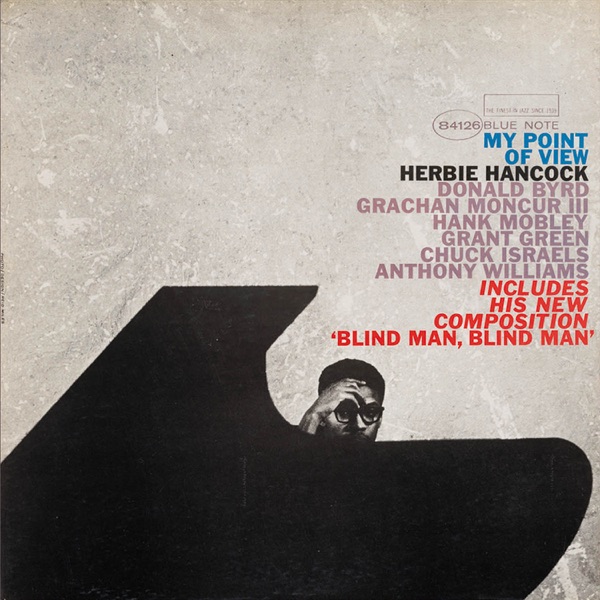
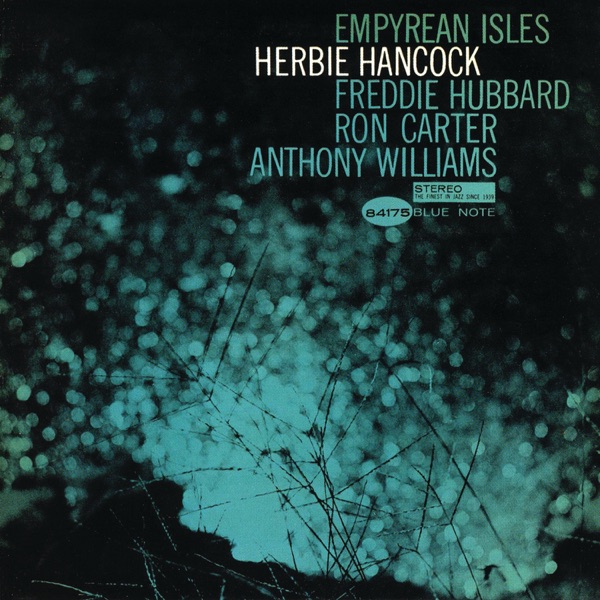
More by Herbie Hancock
All 26 albums →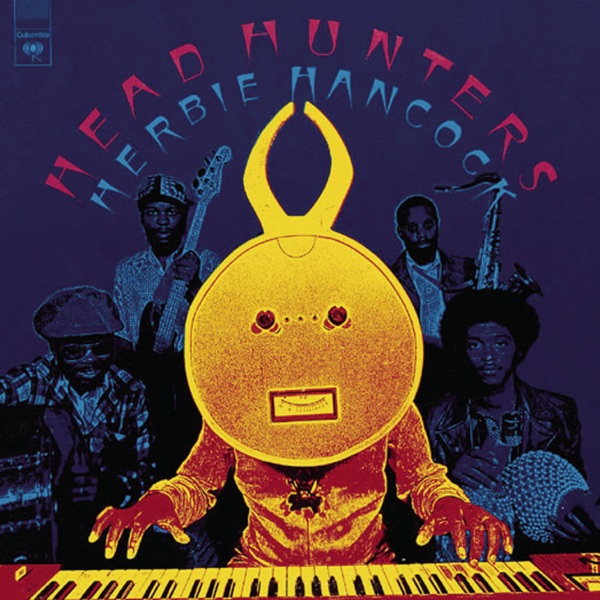

The musicians on this record

Open Sesame (The Rudy Van Gelder Edition) 1960
Freddie Hubbard
plays trumpet here
plays trumpet here

Go 1962
Dexter Gordon
plays tenor saxophone here
plays tenor saxophone here
♫
The Oracle 1989
Billy Higgins
plays drums (drum set) here
plays drums (drum set) here



