1979 · Album
The Elephant Sleeps But Still Remembers
Recorded 1979 · ECM Records · Produced by Manfred Eicher
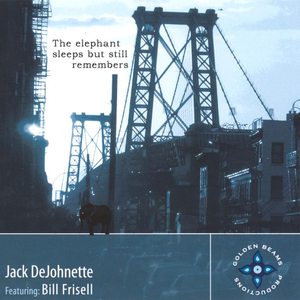
Rhythm as Memory, Drums as Witness
DeJohnette builds entire worlds from the conversation between his drums and piano, letting silence breathe.
Jack DeJohnette has always been a drummer who thinks like a bandleader, which makes this record feel less like a showcase and more like an invitation into his actual mind. The elephant in the title isn't metaphorical—it's about weight, presence, the way something massive stays with you even when it's quiet. What you get here are compositions and improvisations that trust the listener to follow rather than explain themselves.
The album works because DeJohnette refuses to let the drums be just timekeeping. On these tracks, his playing is conversational, almost chatty—he's asking questions of his musicians and getting answers back. The piano and drums lock into this delicate dance where you're never quite sure who's leading. What makes this different from his earlier work is how patient it is. There's space everywhere. A lot of records from this period feel like they're trying to convince you of something, but this one just lets the music happen. You hear individual breaths, the slight creak of the piano bench, the specificity of how each player approaches their instrument.
This isn't his most celebrated work, and it's not where most people start with DeJohnette. If you want the full measure of what he could do, look elsewhere first. But for listeners who already know his music and want to hear him thinking through problems in real time, without the safety net of a larger ensemble, this record rewards attention. It's intimate without being precious, complex without showing off. The elephant sleeps, but the music stays awake the whole time.


