Norwegian Saxophonist Finds His Voice
Garbarek stakes out territory that feels both deeply personal and completely open to interpretation.
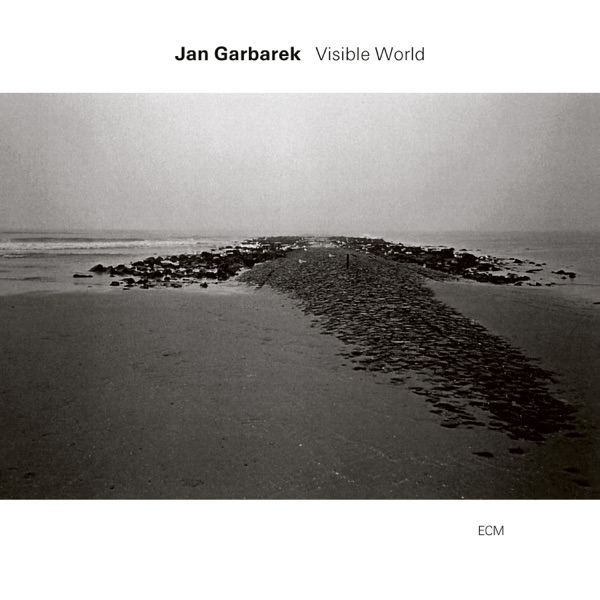
Jan Garbarek didn't arrive as a fully formed artist. Visible World (1978) captures him at a point where he's still figuring out what his tenor saxophone actually wants to say, and that uncertainty is exactly what makes it worth hearing. This is an early record in his career, before he became the name everyone recognizes, before the ECM sound calcified into something too recognizable. What you get here is a saxophonist genuinely searching.
The album moves between moments of real introspection and passages where Garbarek seems to be testing what happens if he just lets the instrument breathe without overthinking it. Some tracks have an almost conversational quality, like he's reasoning through problems in real time. Others find him reaching toward something more structured, more composed, but never quite landing in a place that feels settled. The recording itself has that characteristic ECM clarity, which means every decision—every note he doesn't play—becomes noticeable. There's space here. Lots of it. For some listeners that space feels necessary and meditative. For others it might feel like hesitation.
If you're already deep into Garbarek's work, this is worth tracking down as a document of his developing voice. If you're new to him, you'd probably be better served starting with recordings where he sounds more confident and assured. Visible World (1978) isn't a masterpiece, but it's honest in a way that some of his later, more successful albums aren't quite able to be. It's the sound of someone learning to trust their own instincts, which is always more interesting to hear than someone who already knows exactly what they're doing.
Who's playing
Eberhard Weberbass
Rainer Brüninghauspiano
Jan Garbarekkeyboard, soprano saxophone
Marilyn Mazurshakers
Manu Katchémembranophone