1966 · Album
Magico - Carta de Amor
Recorded 1966 · Philips · Produced by Not documented
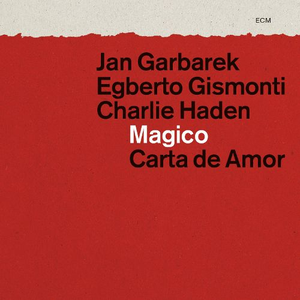
Garbarek's Tender Letter in Sound
A quiet masterpiece where the saxophone becomes an instrument of intimate conversation rather than virtuosic display.
Carta de Amor sits in an interesting place in Garbarek's catalog—it's not a landmark record like some of his later work, but it's essential listening if you want to understand how he developed his approach to melody and restraint. This is early Garbarek, working in a more accessible, chamber jazz idiom where the focus stays on lyrical beauty rather than exploratory texture. The album consists mostly of standards and composed pieces treated with genuine warmth, the kind of thing that could feel sentimental in the wrong hands but instead feels honest here.
What makes Carta de Amor distinct is how spare everything is. There's no grandstanding, no attempt to prove technical mastery. Garbarek's soprano and tenor saxophone are allowed to breathe, to linger on phrases, to treat these melodies like they actually mean something. The arrangements are minimal—just enough accompaniment to support the soloist without cluttering the space. There's a quality of listening happening here, a sense that the bandmates are genuinely responding to each other rather than executing a preset plan. It's intimate without being claustrophobic, pretty without being saccharine.
If you're coming to Garbarek for the first time, this probably isn't where to start—his later work has more distinctive personality and sonic ambition. But if you've already encountered his more experimental territory and want to hear the root of his melodic sensibility, Carta de Amor reveals something essential. It's the sound of a young musician who has absolutely absorbed the jazz language but chooses to use it for communication rather than display. That restraint, that choice, is what makes it worth hearing.
Who's playing
Where next?
More by Jan Garbarek
All 15 albums →


The musicians on this record
Their own records, close in time


