1973 · Album
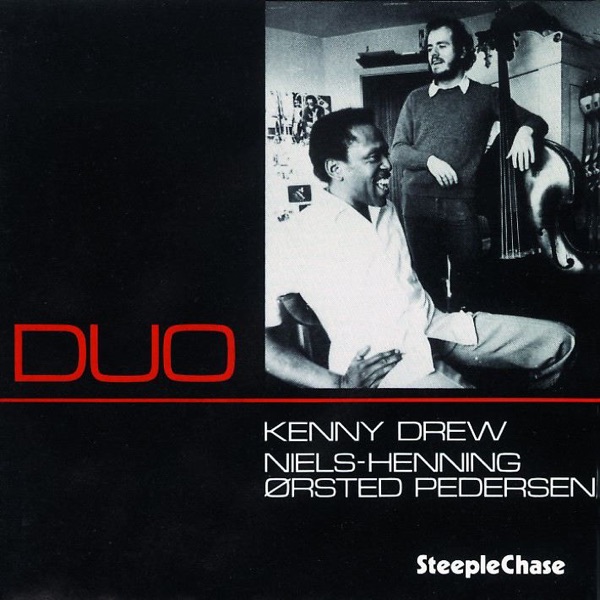
Duo
↑ Niels-Henning Ørsted Pedersen
Recorded 1973 · SteepleChase · Musicians: Kenny Drew (piano), Niels-Henning Ørsted Pedersen (bass)
Two Voices, One Conversation
Drew and Pedersen meet as equals, neither leading, both listening.
By 1973, Niels-Henning Ørsted Pedersen had already established himself as one of jazz's most thoughtful bassists, comfortable in bebop settings and willing to explore freer territory. Duo (1973) represents him at a point of artistic confidence—not a debut statement, but a mature artist choosing intimacy over spectacle. A piano-bass duet strips away everything except conversational depth, and that's precisely what Drew and Pedersen deliver here.
The record trades in the kind of uncluttered dialogue that only works when both players are fully present. Kenny Drew doesn't overplay; his comping is selective, his solos unhurried. Pedersen responds with the melodic sensibility that made him distinctive—he's never just keeping time, always suggesting harmonic movement and emotional shape. There's no rhythm section to hide behind, no trumpet to shoulder the melody. What remains is the sound of two musicians genuinely interested in what the other person has to say.
The Penguin Guide to Jazz recognized this as serious work, awarding it three out of four stars. It's the kind of album that reveals more with repeated listening—not because it's cryptic, but because the conversation deepens each time you hear it. For listeners already familiar with either artist, this is worth seeking out. It's not a peak or a departure; it's simply two accomplished players doing exactly what they set out to do.
Who's playing
Niels‐Henning Ørsted Pedersenbass
Kenny Drewpiano
Where next?
More by Niels-Henning Ørsted Pedersen
Open Space (The Down Beat Poll Winners in Europe) 1969

Double Bass 1976

Duo 2 1974

Petrucciani NHØP 1994