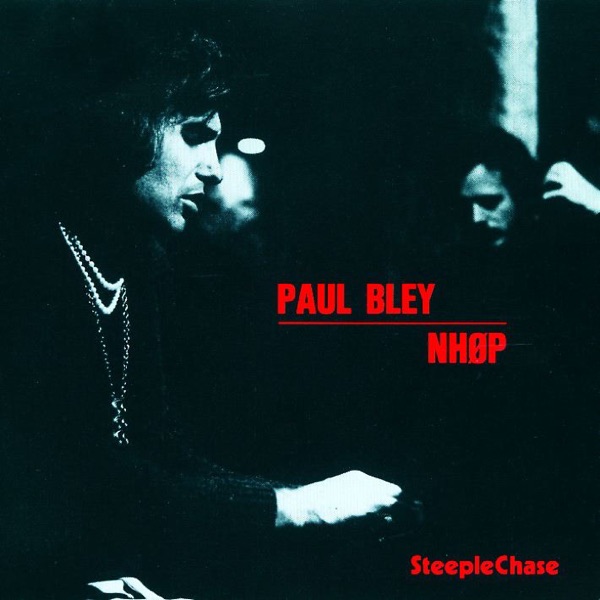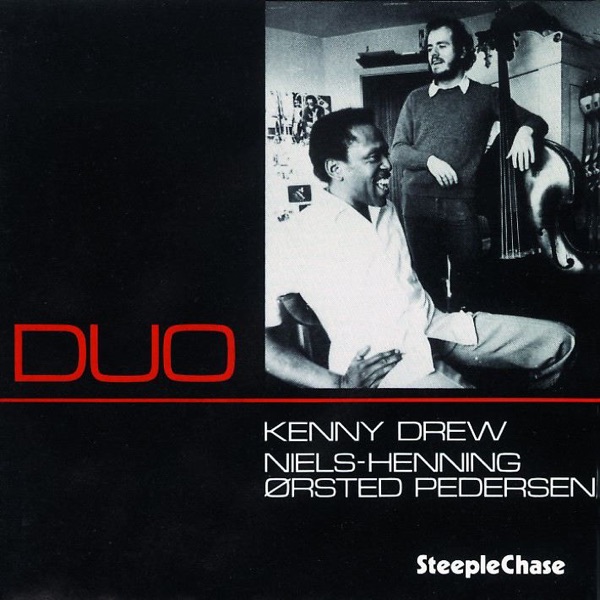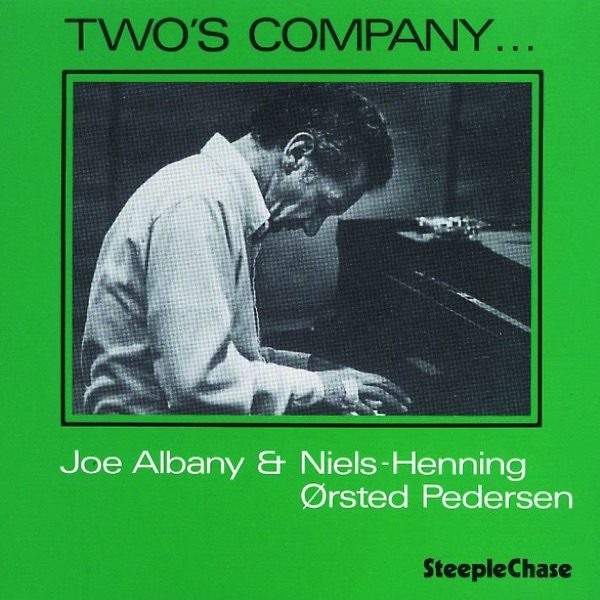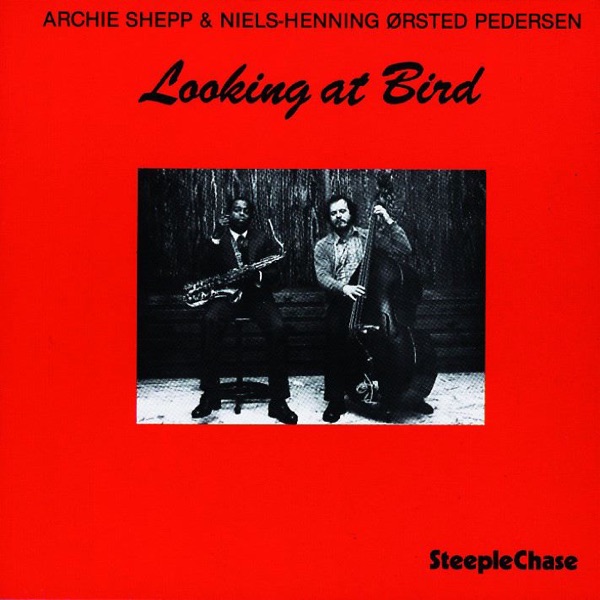
The Fastest Hands in Copenhagen
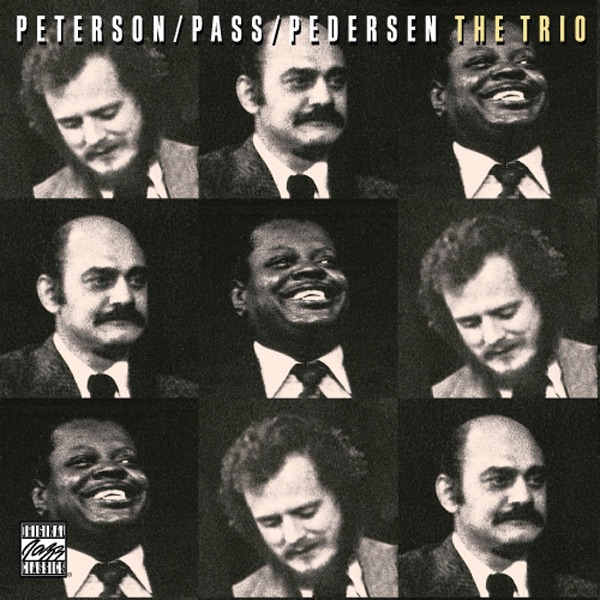
NHØP started playing professionally in Copenhagen as a teenager, and by the time he was old enough to drink in most countries, he was already the first-call bassist for visiting American musicians. Oscar Peterson heard him in the early 1960s and essentially tried to hire him on the spot — NHØP ended up spending years as Peterson's regular bassist, which tells you everything about the level he was operating at. Peterson was famously demanding and had strong opinions about who he played with, so the fact that he kept coming back to NHØP is not a small thing.
What made him different from most bassists of his era was the combination of speed and warmth. A lot of guys who can play fast end up sounding thin or mechanical — the technique takes over and the music gets cold. NHØP somehow kept both. His tone was big and woody, the kind of bass sound that fills a room without amplification, and he could move across the strings at tempos that should not have been possible on an acoustic instrument. On a fast tune with Peterson or with Dexter Gordon, he sounds like he is having a conversation, not running a race.
He was also genuinely interested in playing solo bass, which was a weird and ambitious thing to do in an era when the bass was almost exclusively a supporting instrument. His solo recordings show a musician thinking hard about what the instrument could carry on its own — melody, rhythm, and harmony all at once. It works better than it sounds like it should, because his melodic sense is strong enough that you stop waiting for a piano to show up.
The Copenhagen connection is worth dwelling on. NHØP was part of a generation of Scandinavian musicians who built a genuine jazz scene without being in New York, and the music that came out of that scene had its own character — a little more spacious, a little more lyrical, but never soft or tentative. He played on so many records made in Europe by visiting Americans — Ben Webster, Bud Powell, Dizzy Gillespie, Stéphane Grappelli — that his discography reads like a who's who of jazz giants passing through. He was the connective tissue for a lot of that music.
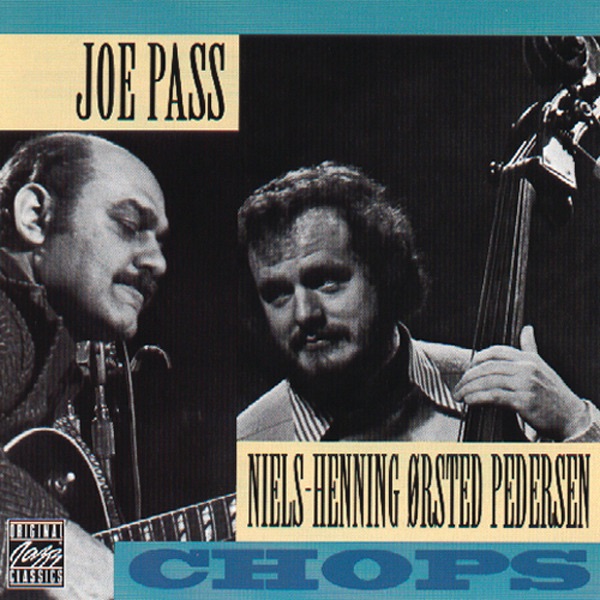
He died in 2005 at 58, which feels too young when you listen back and realize how much ground he had already covered. If you want to start somewhere, the recordings with Oscar Peterson are the obvious entry point — The Oscar Peterson Trio Live (1971) or any of their collaboration albums from that period. But do not sleep on his duo records or the small group sessions he made under his own name. He was not just a sideman who got lucky with good bosses. He was one of the best bassists who ever played the instrument, and the fact that he did most of it from Denmark rather than New York is the main reason more people are not talking about him right now.