1978 · Album
The Paris Concert: Salle Pleyel 1978
↑ Niels-Henning Ørsted Pedersen
Recorded Live, 1978 · Not specified in verified sources · Produced by Not specified in verified sources
The Bassist Who Made Peterson Listen
Peterson's sound defies time, form and style; it is the product of extreme beauty, technique and love.
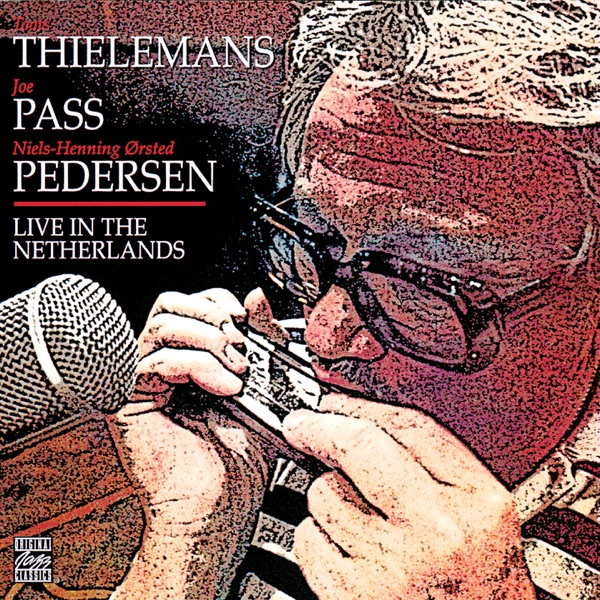
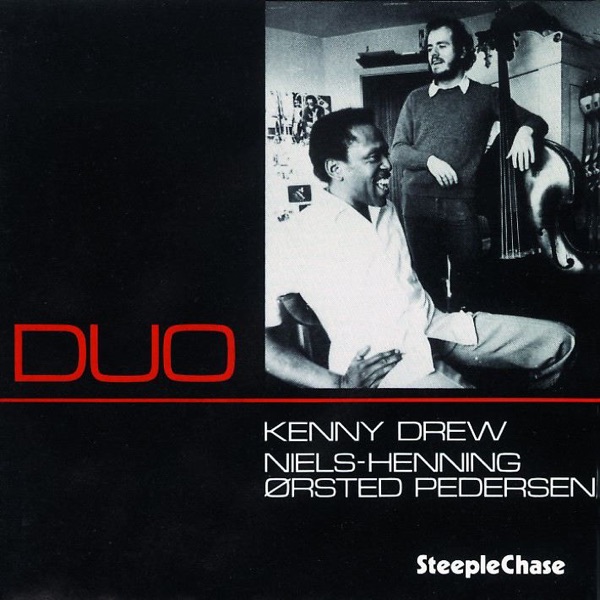
What makes this record special isn't Peterson at the keyboard—it's Niels-Henning Ørsted Pedersen on bass. By 1978, Peterson had spent decades leading trios, and he knew how to drive a session. But Pedersen was no ordinary sideman. He was a bassist who could match Peterson's harmonic sophistication and push back against the piano's gravity, creating genuine conversation instead of accompaniment. On this live date in Paris, Pedersen doesn't just keep time; he voices chords, asks questions, and forces Peterson to respond. Joe Pass on guitar completes the picture—steady, melodic, never competing—but it's the bassist's architecture that shapes what you hear.
The trio format demands absolute listening from all three voices. There's nowhere to hide, no horn to carry a melody, no rhythm section doing background work. Peterson was always a generous player, but Pedersen elevated the stakes. His tone is rich and vocal, his time impeccable, and his ability to reharmonize on the fly keeps the performances from settling into routine. This isn't Peterson coasting on reputation. DownBeat reviewer Bradley Sparrow understood what was happening here, praising Peterson's approach as rooted in "extreme beauty, technique and love"—and that description fits the whole trio. The Penguin Guide to Jazz Recordings gave it three stars, which for that publication meant a strong, unqualified endorsement.
If you know Peterson primarily from his Blue Note studio work or his solo records, this live album offers something different: Peterson in real time, responding to musicians who challenged him. Pedersen's presence made sure of that.